Best Practices for Event Planning: The 2026 Complete Guide for Memorable Brand Experiences
Your event staff shapes every first impression. In an experience-driven market, strategic brand event planning decides whether guests leave energized or underwhelmed. This guide breaks down every phase: pre-event, day-of, and follow-up, so you protect your brand equity and maximize ROI.
We cover goal setting, budgeting, vendor vetting, live execution, and post-event analytics, plus real-world scenarios and downloadable tools.
85% of attendees say they're more likely to purchase after experiencing a brand activation. Meanwhile, 40% of event organizers plan to host more events in 2026, with another 40% maintaining current volume. Strategic event planning aligns every activity with your brand goals, keeps attendees engaged, and transforms one-day affairs into measurable loyalty and sales.
This comprehensive guide delivers proven event planning tips that turn ordinary gatherings into extraordinary brand event planning successes. Whether you're orchestrating product launches, conferences, or experiential marketing activations, these strategies ensure your experiential event strategy delivers both memorable moments and measurable results.
Why Strategic Event Planning Matters

Well-planned events become immersive brand experiences. Events must reinforce your brand story at every touchpoint. Experiential event strategy engages multiple senses through creativity, storytelling, and interaction to leave lasting impressions.
Aligned Goals and ROI
Events must serve your brand's objectives. Define SMART goals early: whether building awareness, generating leads, or energizing fans, so every decision ties back to measurable success. Trade show organizers set clear KPIs (registrations, demos, press hits) in advance and design all pre-show tasks around them.
Strategic alignment prevents wasted effort. Stakeholders can quantify event ROI like a new sales pipeline or social reach, after the fact. This approach transforms random gatherings into focused brand consistency vehicles that deliver quantifiable value.
Audience Engagement and Experience
In-person events outperform digital alone for forging connections. 78% of event professionals say live gatherings are their most impactful marketing channel. Similarly, 71% of attendees say in-person conferences provide the most effective way to learn about new products or services.
When attendees leave motivated, they amplify your brand on social media: 98% of people create digital content at events. Strategic brand event planning ensures every touchpoint remains polished, generating positive buzz across channels.
Brand Consistency and Differentiation
Your event reflects your brand. Consistent branding through logos, themes, and tone sets you apart. Building a meaningful brand identity requires cohesive visuals, storytelling, and themed experiences that make impressions memorable and tied to your brand essence.
91% of people feel more positive about brands after immersive events, and 74% say engaging with branded experiences makes them more likely to purchase.
Streamlined Operations and Risk Reduction
Planning prevents on-site chaos. Treating event management like a finely tuned machine means each part: registration, sessions, networking, and content capture, works smoothly. Efficient check-in processes and robust staffing translate to higher satisfaction and better word-of-mouth.
Following proven event planning tips maximizes ROI and brand impact. Strategic planning matters because it transforms events from random gatherings into immersive brand activations delivering quantifiable value.
Pre-Event Planning Best Practices
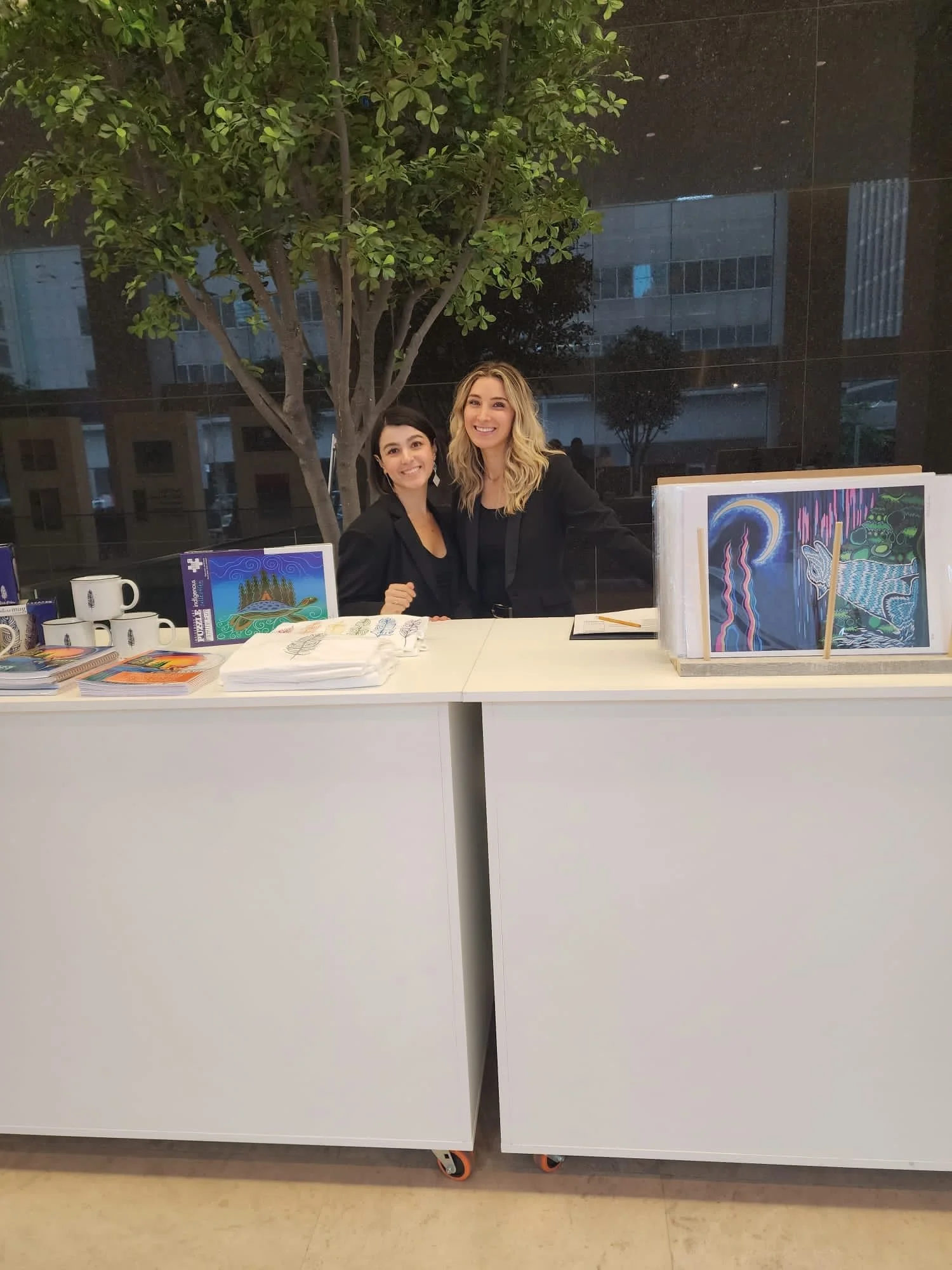
Successful events start months before doors open. The pre-event phase lays your foundation so everything clicks on event day.
Set Clear Objectives
Start with intent. Define success in concrete terms: meeting count goals, social media reach, sales leads, and attendee satisfaction. Align these event objectives with broader brand or campaign goals. This focus ensures every choice: venue, theme, and content advances your target. Document objectives in writing and share them with all stakeholders to maintain alignment throughout planning.
Build a Detailed Timeline
Create a written schedule listing all tasks and deadlines. Your event planning timeline should include everything from booking keynote speakers to ordering badges and finalizing menus, with dates and ownership assigned. Confirm contracts for venue, catering, and AV tech several months in advance. By using a comprehensive timeline, teams can onboard suppliers and secure approvals early, avoiding last-minute scrambling.
Lock In Budget and Resources
Secure your event budget early and allocate it to priorities driving ROI: production, content, hero experiences. Reserve venues and dates immediately. Identify and vet vendors (catering, decor, AV, security) well in advance. Equipment purchasing or rental should happen early, allowing troubleshooting time. Build in a 5-10% contingency for unexpected costs that inevitably arise.
Organize Team Roles
Assign clear responsibilities to staff and volunteers. Every major task: speaker coordination, registration desk, AV control, and room monitoring needs a designated leader. Hold pre-event briefings to walk through timelines with your team. Use group chats or walkie-talkies for quick day-of coordination. When short on in-house personnel, professional event staffing provides trained hosts, technical operators, or ushers who understand live event dynamics.
Develop Content and Agenda
Flesh out your program: keynote topics, breakout sessions, and entertainment, so it ties to the theme and objectives. Integrate on-brand messaging into each segment. Prepare support materials (presentations, signage, handouts) and plan interactive elements (sampling stations, demos, games). Build buffer time between sessions for networking and transitions. Attendees appreciate breathing room in packed schedules.
Marketing and Promotion Plan
Build a promotion schedule for email blasts, social media, PR, and industry advertising. Early engagement builds anticipation. Capture registrations with online forms or apps, collecting data (titles, interests) that personalizes experiences. Create an event marketing plan that includes pre-event teasers, speaker spotlights, and early-bird incentives to drive registration momentum.
Success Metrics and Data Capture
Decide on KPIs now for meaningful post-event analysis. Define target registration numbers, social media mentions, or lead generation volume. Assign team members to track each metric. Set up systems to capture real insights: attendee tracking, engagement metrics, conversion data, that prove event value to stakeholders.
Plan for Hybrid Complexity
If running a hybrid experiential event strategy, expect extra complexity. Plan separate tech for live-streaming or simultaneous sessions. Segment communications for in-person versus virtual attendees with different email queues and instructions. Incorporate remote audience engagement tools like live polls and chat moderators. Test all hybrid components extensively before launch to prevent technical failures that frustrate virtual participants.
Day-Of Execution Tips
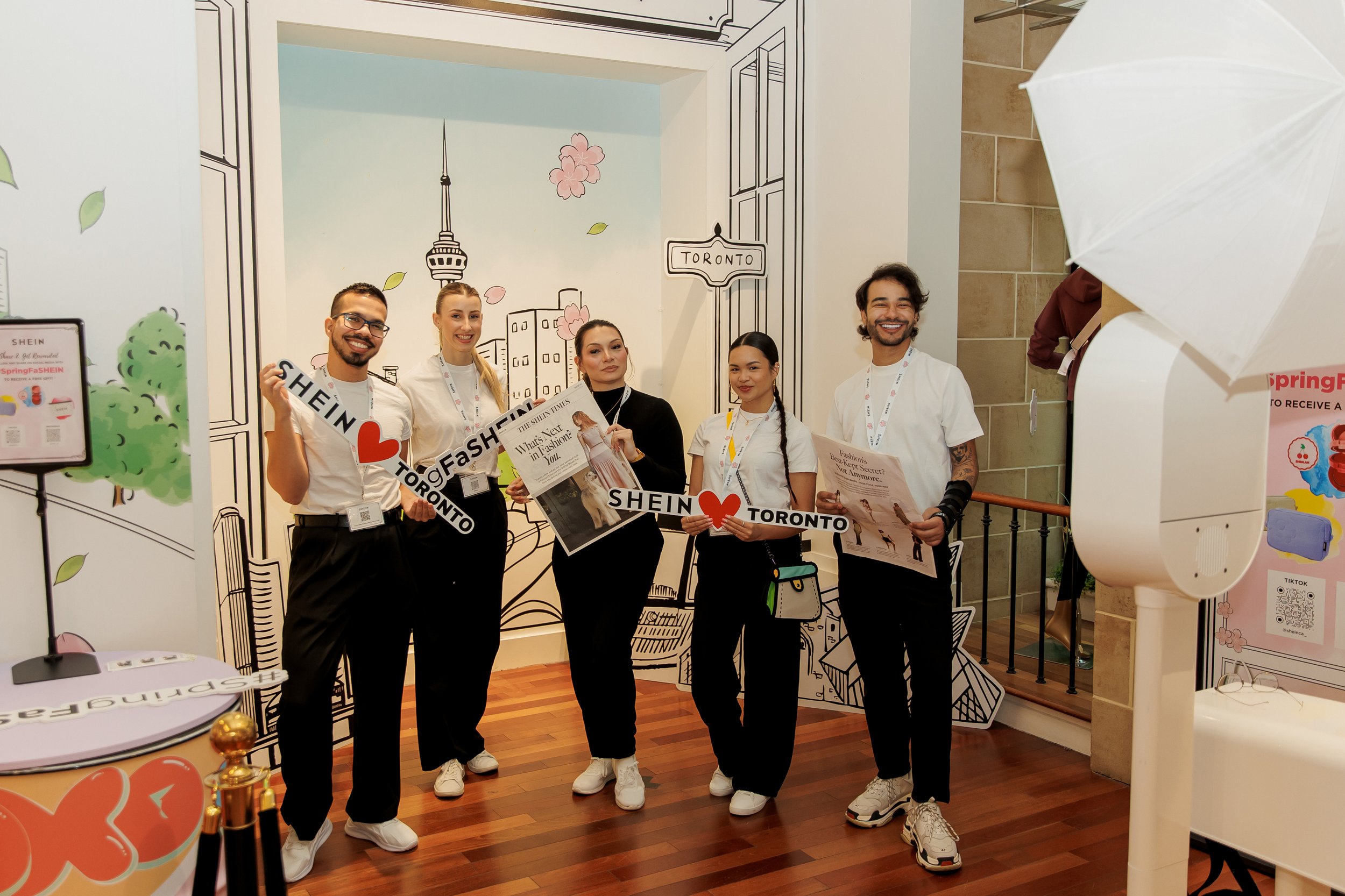
On event day, flawless execution separates memorable experiences from forgettable gatherings. These industry-proven event planning tips keep everything on track.
Early Arrival and Walkthrough
Lead by example. Arrive on-site hours before attendees to coordinate with venue staff. Physically walk through every area with your team and vendors, confirming setup: stage, seating, signage, refreshments, matches plans exactly. This final check provides last chances to spot issues before doors open. Document any deviations from original plans for future reference.
Command Center and Live Dashboards
Create a small home base for key staff. From here, monitor timing, contact everyone, and manage problems in real time. Keep event management software or internal dashboards running to track check-in status, session timing, and alerts. Maintain visibility into vendor setup progress and have backup plans ready for tech failures. A clear command structure prevents confusion when quick decisions are needed.
Smooth Check-In and Guest Flow
First impressions matter. Staff registration areas with enough people to prevent long queues. Pre-print name badges and verify mobile tickets in advance. Make welcomes warm and organized: one missed detail here can sour entire experiences. Use multiple check-in stations for large events. Digital check-in via QR codes or apps speeds processing significantly.
Tech Testing and Redundancy Plans
Before guests arrive, test all audio/visual equipment: microphones, speakers, projectors, Wi-Fi. Keep extra adapters, batteries, and wiring on hand. If using apps or live streams, ensure all digital platforms function properly. Fixing glitches at 8 am beats troubleshooting on stage. Have a dedicated tech support staff available throughout the event for immediate response.
Team Communications and Role Management
Maintain open communication channels. Radios or group messaging apps keep everyone synchronized. Schedule quick check-in huddles between staff. Live dashboards or shared spreadsheets update everyone on timeframes and problem status. Empower your crew: each person should know exactly which tasks they own and escalation paths. Trust them to make decisions within their areas without micromanaging every issue.
Guest Comfort and Engagement Touchpoints
Pay attention to attendee comfort. Maintain clear, abundant signage so people always know destinations. Ensure essentials like water stations, seating, and temperature control function properly. Greet attendees enthusiastically and proactively answer questions. Happy, comfortable guests forget minor mishaps and remember positive moments you created. Monitor social media for real-time feedback about guest experience issues.
Crisis Management and Calm Leadership
Despite the best planning, things go wrong. Keep emergency contact lists for venue staff, vendors, and team leads handy. Maintain basic first-aid kits. For outdoor events threatened by weather, have rain plans or alternate indoor locations ready. Simple what-if checklists: power outage, no-show speaker, spilled food, enable quick fixes instead of crises. Your composed leadership keeps morale high and attendees reassured. Delegate authority so decisions happen fast without bottlenecks.
Real-World Scenario: Product Launch
A technology company faced tight timelines for its flagship product launch. With 500 attendees expected and only a $150,000 budget, they needed maximum impact. The hybrid webcast requirement added complexity, while brand immersion remained critical for success.
Magnetic supplied 12 trained brand ambassadors who managed QR-based check-in systems. Our team operated interactive photo booths that captured product interactions in shareable formats. Professional staff guided attendees through demo stations, ensuring consistent brand messaging throughout.
Results exceeded expectations: 1,200 social shares during the event, 38% lead-to-demo conversion rate, and an attendee Net Promoter Score of +42. The streamlined registration process eliminated typical launch-event friction, letting guests focus on product discovery rather than logistics. This brand event planning example shows how professional staffing transforms operational challenges into competitive advantages.
Post-Event Follow-Up
Events don't end when doors close. Strong follow-up strategies cement relationships and amplify your investment.
Thank-You Notes and Content Links
Within 24-48 hours, email personalized thank-you messages to attendees. Remind them of key highlights, link to shared resources (slides, photos), and express genuine appreciation. 75% of agency marketers rate email follow-ups as excellent or good for ROI. Keep messages concise and enthusiastic so your brand stays top-of-mind. Include links to event photos, presentation downloads, or exclusive content that extends the experience.
Post-Event Survey and Data Analysis
Around 2-3 days post-event, invite attendees to provide feedback via short surveys. Offer incentives: discounts on next products, prize drawing entries, to encourage responses. Ask targeted questions about satisfaction, favorite moments, and improvement suggestions. This event survey data becomes gold for improving future events and understanding audience preferences. Analyze responses for actionable insights about programming, logistics, and overall experience quality.
Shareable Recap Content
Keep momentum with compelling content. Convert event highlights into shareable media: short recap videos, photo galleries, blog posts, or interactive web experiences. Extend your event's life by distributing session recordings or key takeaways on your website. Create multiple content formats from single events: social media snippets, long-form articles, and podcast episodes, to maximize value from your production investment.
Lead Nurture and Next-Event Promotion
Capitalize on post-event excitement by inviting attendees to future experiences. Send save-the-date announcements highlighting what attendees loved most, including special early-bird discounts or VIP perks for returning participants. Thank top attendees with exclusive offers like referral credits or bring-a-friend rewards. Convert happy attendees into eager repeat participants before enthusiasm fades. Implement attendee nurture campaigns that maintain engagement between events.
Cost and Resource Planning
Understanding typical budget allocation helps realistic planning. While percentages vary by city, season, and event type, these ranges provide starting points for brand event planning:
Venue: 30-40%
Production: 20-25%
Staffing: 10-15%
Marketing: 10-15%
Contingency: 5-10%
This budget breakdown assumes standard corporate events. Luxury experiences may allocate more to production and staffing, while grassroots activations might minimize venue costs through creative location choices.
Event staffing cost varies significantly based on skill requirements. Basic registration staff costs less than technical operators or brand specialists. Factor in training time, especially for complex product demonstrations or technology platforms.
When building your event cost template, include often-forgotten line items: insurance, permits, transportation, staff meals, and post-event cleaning. These hidden costs can add 10-15% to initial estimates.
Consider staffing ratios carefully. General guidelines suggest one staff member per 50 attendees for basic events, increasing to 1:25 for high-touch experiences or 1:10 for luxury activations. Technical requirements may demand additional specialized personnel.
How to Vet Event Vendors and Staffing Agencies
Selecting the right partners determines event success. Use this checklist when evaluating potential collaborators:
Verify licenses and insurance. Request current documentation, including general liability, workers' compensation, and any industry-specific certifications required in your location.
Ask for recent case studies. Review work from similar events in scale, industry, and complexity. Pay attention to problem-solving examples and client testimonials.
Compare service-to-staff ratios. Understand how many team members they'll dedicate to your event versus other concurrent commitments.
Confirm contingency plans. Professional vendors have backup equipment, substitute staff, and clear protocols for common event-day challenges.
Check diversity and inclusion policies. Ensure vendor practices align with your brand values and can serve diverse attendee populations effectively.
Review SLAs and cancellation terms. Understand response times, performance guarantees, and financial implications of changes or cancellations.
When evaluating a staffing agency, add these considerations: staff training protocols, uniform or dress code options, background check processes, and on-site management structure. Request references from recent clients and actually call them. Ask specific questions about communication, flexibility, and problem resolution.
How Magnetic Delivers Seamless Brand Events
We transform ordinary moments into extraordinary memories. From innovative photo experiences to premium event staffing, our nationwide team is trained, insured, and ready to protect your guest experience.
Our event captains coordinate logistics, while our data dashboards quantify impact, so you walk away with both unforgettable brand connections and clear ROI. Our premium event services include everything from registration management to technical operation, ensuring flawless execution at every touchpoint. As your experiential event strategy partner, we handle the details so you can focus on strategic objectives.
Partner with us to plan and staff your next brand event.
Frequently Asked Questions
How far in advance should I start planning a 500-person event?
Begin planning 6-9 months for corporate events, 9-12 months for conferences with multiple speakers or sponsors. This timeline allows securing preferred venues, negotiating vendor contracts, and building proper promotional campaigns.
What KPIs matter most for brand activation events?
Focus on engagement metrics (dwell time, participation rates), social amplification (shares, mentions, reach), and business outcomes (leads generated, conversion rates). Quality interactions often matter more than raw attendance numbers.
How do hybrid events affect the budget?
Hybrid events typically add 25-40% to pure in-person costs due to streaming technology, platform licenses, and additional staff for managing virtual components. However, they can dramatically expand reach and generate more content.
What's the ideal staff-to-guest ratio?
Standard events need 1 staff member per 50 guests. Premium experiences require 1:25 ratios. VIP or luxury activations may need 1:10. Adjust based on event complexity, guest expectations, and activity types.
How can I reduce registration wait times?
Implement digital check-in with QR codes, pre-print all materials, staff adequately (1 person per 75 attendees per hour), and create separate lines for pre-registered versus walk-up guests.
What tech is essential for on-site engagement?
Event apps for schedules and networking, reliable Wi-Fi throughout venues, charging stations, digital displays for real-time updates, and photo activation experiences that encourage social sharing.
How do I measure event ROI accurately?
Track both hard metrics (revenue generated, leads captured, cost per acquisition) and soft metrics (brand sentiment, attendee satisfaction, social reach). Compare results against initial objectives and industry benchmarks.
Should I outsource event staffing or train volunteers?
Professional staffing ensures consistency, accountability, and experience. Volunteers work for community events but may lack reliability or skills for complex brand activations. Hybrid models can optimize costs.
How do I secure event sponsors?
Create detailed sponsorship packages showing audience demographics, engagement opportunities, and marketing benefits. Start outreach 6-8 months early. Offer multiple tiers and creative activation opportunities beyond simple logo placement.
What contingency plans should every event have?
Weather alternatives for outdoor events, backup equipment for all critical tech, substitute speakers or entertainment, medical response protocols, and clear communication plans for schedule changes or emergencies.