Brand Activation Examples: The 2026 Complete Guide to Campaigns That Drive Real Engagement
Your brand lives or dies on the memories it creates. In an age of ad-blindness, hands-on experiences outperform impressions. Brand activation brings your brand to life through tangible experiences that forge emotional connections and drive action. Global experiential marketing spend reached $128.3 billion in 2024, with 85% of event attendees reporting increased purchase intent afterward.
Well-designed brand activation campaigns deliver 3-5x ROI because they engage memory and emotion in ways traditional ads cannot. 91% of participants feel more positive about brands after live experiences, and 74% say engaging with branded experiences makes them more likely to purchase. These results explain why brands increasingly shift budgets into event marketing and live experiences.
This guide breaks down the strategy, costs, and creativity behind 15 standout brand activations. You'll learn how to adapt these concepts, set realistic budgets, and launch brand activation campaigns that convert curiosity into customer loyalty.
Quick Decision Snapshot
Best for: Marketing leaders seeking measurable engagement
Budget range: $25K-$2M+, depending on scale and location
Timeline: 8-20 weeks from concept to launch
Key risks: Permitting delays, low footfall, unclear KPIs
Hire outside help if: You lack fabrication partners, insurance expertise, or experiential staff
What Makes a Great Brand Activation
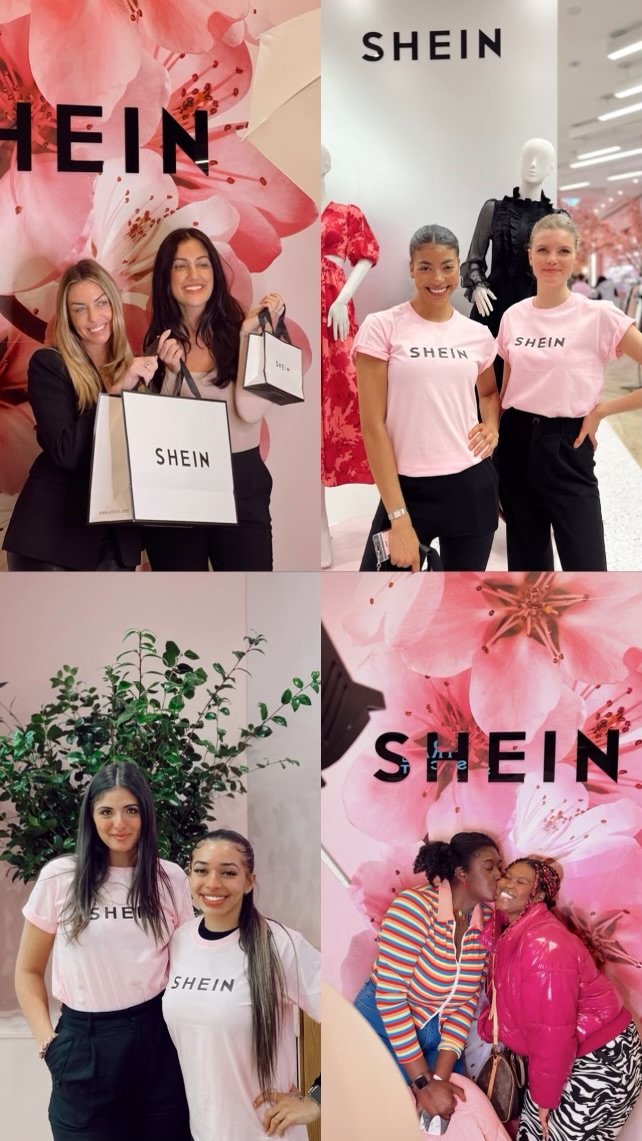
The best brand activation ideas tap into fundamental psychological drivers that passive advertising misses. When consumers physically interact with your brand, their brains create stronger neural pathways through multi-sensory engagement. Touch, taste, smell, sound, and sight combine to form memories that persist long after digital impressions fade.
Social proof amplifies this effect. Watching others participate in brand experiences triggers mirror neurons that make observers want to join. This creates organic crowd dynamics where enthusiasm builds naturally. Add the shareability factor of unique experiences, and you get content that spreads without paid promotion.
The neuroscience is clear: emotional experiences drive purchasing decisions more than rational evaluation. When brands create moments of joy, surprise, or connection, they bypass analytical thinking and establish emotional bonds. These bonds translate directly into brand preference and purchase behavior.
Timing matters too. Activations create immediate feedback loops where interest converts to action while excitement peaks. Unlike delayed-response advertising, experiential marketing captures consumers at their most engaged moment.
ROI Benchmarks
Industry data shows experiential marketing delivers exceptional returns when executed properly. The global spend of $128.3 billion reflects confidence in measurable outcomes. Standard ROI ranges from 3-5x, with top-performing campaigns reaching 10x or higher.
Post-event purchase intent averaging 85% demonstrates an immediate impact on sales pipelines. However, geography and seasonality affect results significantly. Urban markets typically see 20-30% higher engagement than suburban locations. Summer activations outperform winter by similar margins, except for holiday-themed campaigns.
Warning: these benchmarks assume professional execution. Amateur activations often fail to reach even 1x ROI due to poor planning, weak creative, or operational mishaps. Investment in experienced partners typically pays for itself through avoided mistakes and optimized performance.
Activation Types and When to Use Them
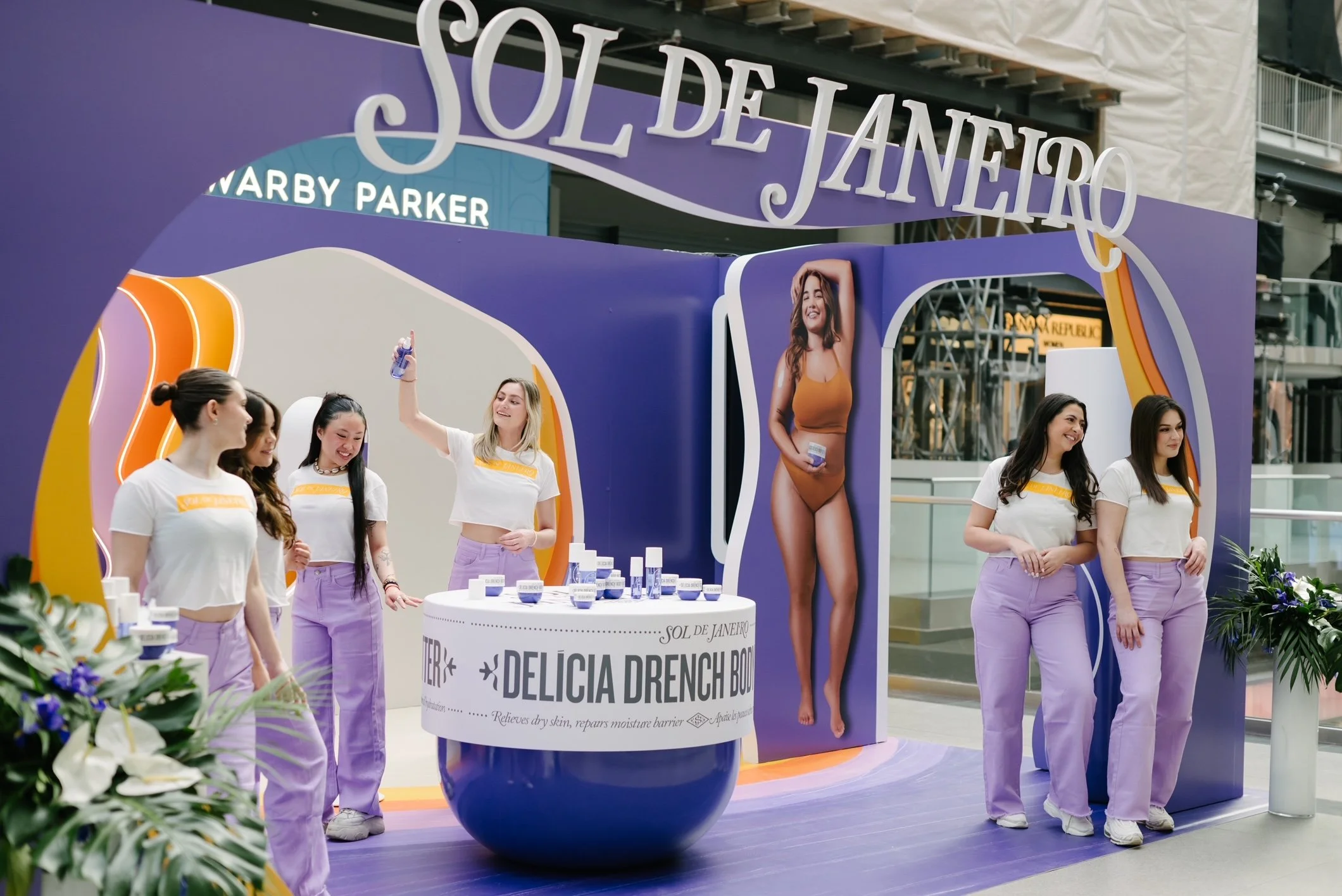
Pop-Up and Mobile: Best for testing new markets or reaching distributed audiences. Mobile units average $40-80K per city, including vehicle, staff, and permits. Use when geographic coverage matters more than depth of experience.
Cause-Driven: Ideal for brands with authentic social missions. These activations generate 2x the earned media of standard campaigns. Deploy when your audience values purpose over product features.
Interactive Tech: Perfect for innovative brands targeting early adopters. AR/VR experiences command premium attention but require $75K+ budgets. Choose when differentiation through technology aligns with brand positioning.
Guerrilla and Stunts: High-risk, high-reward tactics for breakthrough awareness. Success depends on flawless execution and timing. Reserve for moments when conventional approaches won't cut through market noise.
Sampling and Product Trials: Proven for consumables and products with clear experiential benefits. Conversion rates average 25-35% for trial participants. Essential when taste, texture, or immediate results drive purchase decisions.
15 Brand Activation Examples
The following experiential marketing examples span industries, budgets, and tactics. Each one illustrates a core principle you can adapt for your own brand activation campaigns.
1. Coca-Cola "Share a Coke": Personalization at Scale
Coca-Cola replaced its logo with 100+ common first names on bottles, transforming a commodity product into a personalized gift. Consumers hunted store shelves for their names, creating organic scavenger hunts. Social sharing exploded as people posted photos of "their" Coke bottles. U.S. sales increased more than 2%, reversing over a decade of decline, according to Nielsen data cited by multiple sources, including Wikipedia and Marketing Week. The key lesson: personal relevance beats clever creativity every time.
2. Red Bull Stratos: Extreme Stunt
Red Bull sent Felix Baumgartner to 128,000 feet for a supersonic freefall, perfectly matching the brand's adventurous identity. The live stream attracted 8 million concurrent viewers on YouTube, setting a platform record at the time. Global media coverage generated an estimated $6 billion in equivalent advertising value. This activation transcended marketing to become a cultural moment. By funding genuine human achievement, Red Bull earned authentic admiration and demonstrated how bold brand activation ideas can generate long-tail value for years.
3. M&M's "Spot the Pretzel": Social Gamification
M&M's posted a colorful image hiding one pretzel among candies and asked fans to find it. This simple puzzle generated tens of thousands of interactions within hours. Participants eagerly shared the challenge, creating a viral spread without paid promotion. The brilliance was the simplicity: no apps, no complicated rules, just an engaging visual challenge. Cost was virtually nothing beyond creative time, yet it drove massive awareness for the new pretzel variety and reinforced brand playfulness.
4. Dove #ShowUs: Purpose-Led UGC
Dove invited women to submit photos representing real beauty, challenging traditional advertising standards. The campaign generated over 1,000 heartfelt posts and sparked widespread conversation about representation. Contributors became brand advocates by participating in the movement. By addressing genuine cultural issues, Dove strengthened its position as an inclusive, authentic brand. Purpose-driven activations work when brands have established credibility in their cause.
5. TOMS One for One: Cause Activation
TOMS built its entire brand on giving: buy a pair, donate a pair. This model turned every purchase into a shared mission. Customers became participants in social good rather than mere consumers. The activation generated passionate loyalty and massive earned media. By making customers partners in purpose, TOMS created emotional investment beyond product quality. Cause marketing requires genuine commitment; consumers quickly detect and punish inauthentic efforts.
6. Oreo Flavor Voting Vending: Interactive Sampling
Oreo installed vending machines dispensing free samples of limited-edition flavors. Customers "voted" by selecting their favorite, turning product testing into an engaging game. The machines collected real-time preference data while creating memorable brand moments. This activation combined several winning elements: free samples, gamification, and exclusive access. Participants felt involved in product development rather than being passive recipients.
7. Stella Artois At-Home Luxury: Premium Delivery
During pandemic lockdowns, Stella partnered with luxury hotels to deliver five-star experiences to homes. Celebrity servers brought gourmet meals and premium beer, creating exclusive moments during isolation. The campaign reinforced Stella's upscale positioning while adapting to circumstances. By collaborating with aspirational brands, Stella elevated perceived value. This activation shows how brands can maintain premium positioning even when traditional venues close.
8. Adidas Jump Store: Physical Challenge
Adidas placed shoes on 10-foot-high shelves, challenging customers to jump basketball-hoop height to claim free pairs. The physical challenge is directly connected to the product's purpose and the athlete's endorsement. Participants posted jump attempts, creating organic social content. This activation turned shopping into a sport, perfectly aligning with the brand identity. The difficulty ensured limited giveaways while maximizing attempts and engagement. Physical challenges work when they authentically connect to product benefits.
9. Zappos #PayWithACupcake: Guerrilla Countermove
When Google offered free cupcakes at SXSW, Zappos set up a booth accepting those cupcakes as payment for gift cards. This playful move earned laughs and media coverage by cleverly piggybacking on a competitor's investment. The stunt cost almost nothing but generated significant attention through creativity and timing. Zappos showed how nimble brands can leverage larger campaigns for their own benefit.
10. Lipton "Be a Daybreaker": Community Pop-Up
Lipton transformed London's King's Cross station with a giant water slide, breakfast treats, and a morning dance party. The summer activation repositioned iced tea as a year-round beverage through pure fun. Commuters became participants in an unexpected celebration. By disrupting a routine space with joy, Lipton created lasting positive associations. Community activations succeed when they genuinely improve people's days.
11. Starbucks Holiday Sparkle Shop: Seasonal Pop-Up
Starbucks opened a limited-time boutique selling exclusive holiday merchandise unavailable in regular stores. Glittery displays and unique products created urgency and exclusivity. Shoppers lined up for shareable moments and collectible items. The seasonal constraint drove immediate action while themed products encouraged gifting. This is one of the clearest brand activation examples of how temporal scarcity motivates participation.
12. HP Anti-Gravity Printer: Tech Demo
HP mounted working printers upside-down in public spaces, printing pages while appearing to float. The visual stopped foot traffic and sparked curiosity about the technology enabling such displays. Simple yet striking execution reinforced innovation credentials. Technical demonstrations work when they create "how is that possible?" moments. The campaign proved HP's engineering capabilities through dramatic visualization rather than specifications.
13. Google Pastry Cart: Culinary Collaboration
Google partnered with celebrity chef Dominique Ansel to create desserts inspired by product features. The colorful cart attracted crowds through sight and smell while making technical concepts tangible through taste. Abstract benefits became concrete experiences. Food naturally encourages sharing and conversation. By translating product attributes into flavors, Google made features memorable. Culinary collaborations excel at creating approachable entry points for complex products.
14. Kate Spade Disco Cookie Truck: Rolling Pop-Up
Kate Spade covered a delivery truck in mirrors, creating a mobile disco ball distributing designer cookies throughout New York City. The sparkly vehicle and treats perfectly matched brand aesthetics while providing countless photo opportunities. Mobile activations multiply touchpoints by bringing experiences to audiences. This campaign balanced style with substance through thoughtful execution.
15. Spotify Wrapped Lounge: Data-Driven Personalization
Spotify created physical spaces where users could experience their personal listening data through customized photo opportunities. QR codes pulled individual statistics while neon sets provided shareable backdrops. Digital behaviors became real-world experiences. By making data tangible and photogenic, Spotify turned analytics into content. Personalization at scale creates individual connections within mass experiences. This activation shows how brands can bridge digital and physical engagement.
Budget vs. Impact Overview
Starter Pop-Up ($25K-$60K): Local permits, basic tent or trailer, 2-3 brand ambassadors, simple photo backdrop, social media integration. Reaches 500-2,000 people per day in a single location. Best for testing concepts or supporting larger campaigns. Expect a 20-30% social sharing rate with proper incentives.
Mid-Range Experiential Tour ($100K-$300K): Custom-wrapped vehicle, professional activation trailer, team of 4-6 trained staff, interactive elements, digital lead capture system. Covers 3-5 cities over 2-3 weeks. Generates 10,000-25,000 direct interactions plus social amplification. Includes basic PR support for local media.
Flagship Stunt ($500K-$2M): Celebrity talent or major influencers, live streaming infrastructure, national PR campaign, custom fabrication, permits for iconic locations. Creates cultural moments reaching millions through earned media. Requires 4-6 months of planning and specialized production partners. Risk increases with complexity, but potential impact multiplies significantly.
Key Takeaways for Your Brand
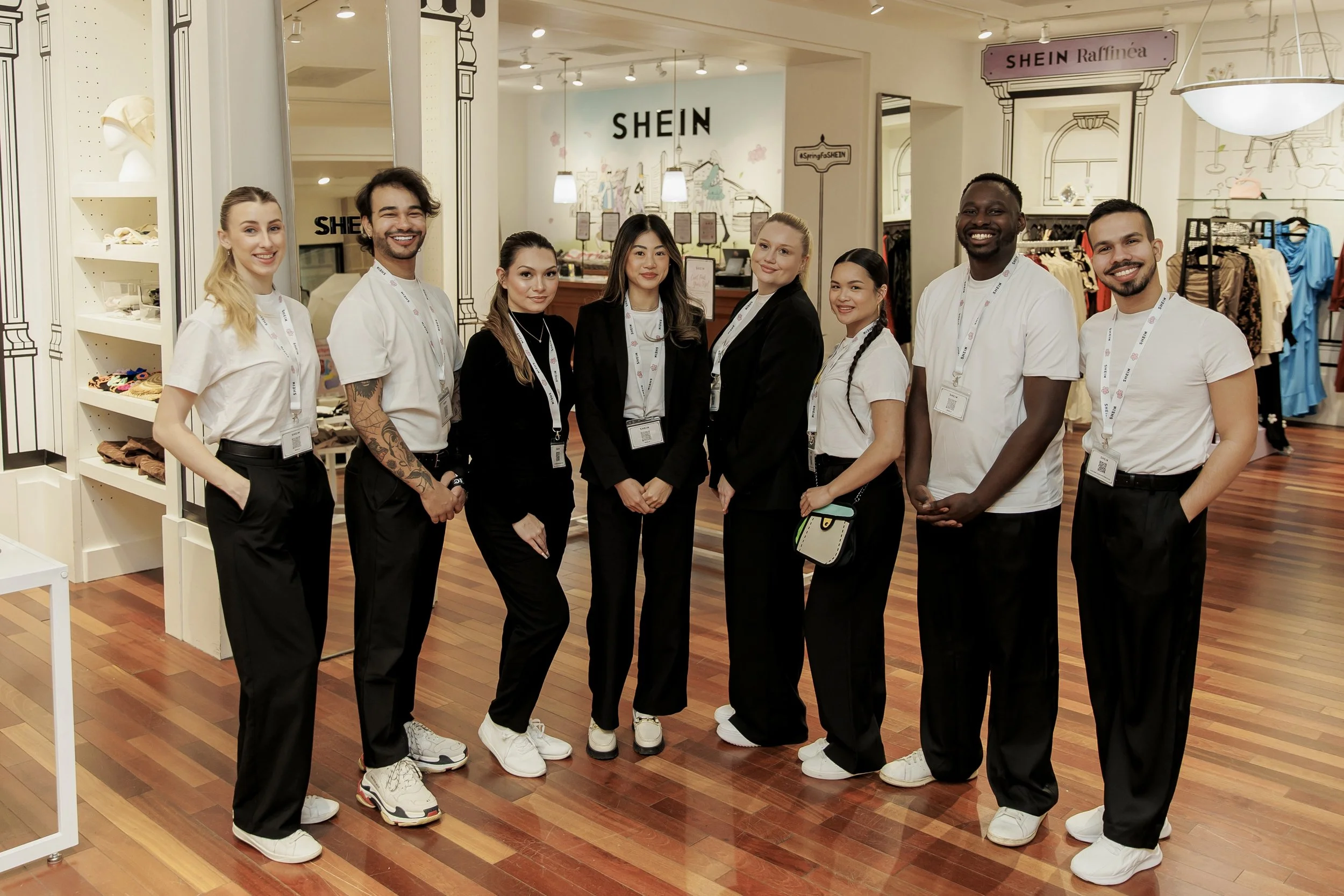
The 15 brand activation examples above reveal consistent patterns. The strongest brand activation campaigns share four qualities: they are authentic to the brand's identity, they give participants something to do rather than just see, they are designed for social sharing from the start, and they connect the experience to a clear business outcome.
6-Step Planning Framework
1. Define Objectives and KPIs. Start with specific, measurable goals. Generic "awareness" won't suffice. Target metrics like qualified leads, social mentions, media impressions, or direct sales. Build measurement into the concept from day one.
2. Deep-Dive Audience Research. Know where your audience gathers, what they value, and how they share experiences. Conduct surveys, analyze social behavior, and test concepts with focus groups. Match activation style to audience preferences.
3. Concept and Creative Alignment. Develop brand activation ideas that feel authentic to your brand while surprising audiences. Balance aspiration with accessibility. Test concepts against brand guidelines and audience insights. Clever concepts fail without solid execution.
4. Logistics, Permits, and Risk Management. Begin permit applications 10-12 weeks early for public spaces. Secure comprehensive insurance, including general liability and equipment coverage. Plan contingencies for weather, technical failures, and crowd control.
5. Staffing and Training. Brand ambassadors make or break activations. Hire experienced event staff and train thoroughly on brand voice, product knowledge, and experience flow. Plan for breaks and backup personnel.
6. Measurement and Post-Event Amplification. Capture data throughout the activation via registrations, QR scans, or contests. Follow up within 48 hours while memories remain fresh. Repurpose content for ongoing campaigns. Calculate true ROI, including earned media value and long-term conversions.
Measurement and Reporting
Modern brand activation campaigns demand sophisticated measurement beyond attendance counts. QR codes enable frictionless data capture while maintaining experience flow. Link physical interactions to digital behaviors through unique identifiers. RFID technology allows passive tracking of movement patterns and dwell times.
Post-event surveys reveal deeper insights when sent within 24 hours. Keep surveys short with incentives for completion. Ask about purchase intent, brand perception changes, and likelihood to recommend. Compare results to control groups for true impact assessment.
Common Pitfalls to Avoid
Underestimating permit timelines: Major cities require 8-12 weeks for special event permits. Factor in multiple approval rounds and potential rejection. Start early and have backup locations.
Forgetting contingency budgets: Unexpected costs always arise. Reserve 15-20% of the total budget for surprises. Common overruns include overtime labor, weather delays, and last-minute venue changes.
Neglecting post-event data capture: Excitement fades quickly. Build follow-up into the initial experience through opt-ins and immediate rewards. Without proper data capture, you lose the ability to prove ROI and nurture leads.
How We Bring Brands to Life
Our experiential strategists have produced 500+ brand activations across North America, from intimate pop-ups to festival-scale productions. We handle everything from initial concepting through final analytics. With trained brand ambassadors in every major market, we staff activations with professionals who understand engagement dynamics and conversion optimization. Our custom photo experiences transform participants into content creators, generating an average of 50,000 social impressions per activation day through shareable moments.
Ready to bring your brand to life? Schedule a 20-minute planning call with our experiential team. We'll outline concepts, budgets, and timelines tailored to your goals.
Frequently Asked Questions
How much does a small brand activation cost?
Local pop-ups start around $25K in major U.S. cities. Costs rise with custom fabrication, celebrity talent, and multi-city tours. Budget 20% extra for contingencies.
How long should I plan before launch?
Allow 8-12 weeks for concept development, approvals, and production. Large stunts need six months. Rush jobs risk poor execution and missed permit deadlines.
What KPIs matter most?
Focus on metrics tied to business objectives: qualified leads for B2B, social reach for awareness campaigns, sales lift for retail. Vanity metrics without conversion data waste effort.
Do I need event insurance?
Yes. General liability, product liability, and workers' compensation are standard requirements. Most venues require a minimum of $2M in coverage. Professional producers include insurance in proposals.
Can brand activations be virtual or hybrid?
Absolutely. Livestream shopping events, AR filter campaigns, and virtual concerts extend physical reach. Hybrid models capture both in-person energy and digital scale.
How do I secure permits for public spaces?
Contact your city's special events office 6-10 weeks before the activation date. Requirements vary dramatically by location. Professional permit expeditors navigate complex applications efficiently.
What staffing ratios work best?
Plan 1 trained staff per 15-20 guests for interactive experiences. Include an event manager for teams of over five. Build in breaks and backup staff for full-day activations.
How soon should follow-up marketing go out?
Within 24-48 hours, while excitement peaks. Use recap videos and social highlights to extend the experience. Quick follow-up converts interest into action before memories fade.