Corporate events are back, bigger, bolder, and more meaningful than ever. With only 21% of employees worldwide feeling fully engaged at work, forward-thinking companies are shifting away from passive seminars and alcohol-centric parties toward experiences that spark connection, creativity, and long-term impact.
The landscape has changed dramatically. Today's workforce, particularly Gen Z employees, craves authentic experiences that foster genuine relationships and align with their values. They're looking for events that feel less like mandatory fun and more like meaningful moments that strengthen workplace culture.
This guide unpacks why engaging company events matter in 2026 and showcases 15 fresh ideas (complete with pro tips, ROI metrics, and actionable next steps) to ensure your next gathering leaves a lasting impression. Whether you're planning for a team of 20 or 2,000, these data-backed strategies will transform your corporate event ideas from forgettable to phenomenal.
Why Corporate Events Matter in 2026
The importance of corporate events has never been clearer. With global employee engagement at historic lows and the cost of disengagement reaching hundreds of billions annually, strategic events have become essential tools for building thriving workplace cultures.
The Business Case for Better Events

Companies that prioritize engagement through well-designed events see remarkable returns. Gallup's award-winning workplaces report 70% employee engagement, more than triple the global average, and maintain up to 8 times as many engaged as disengaged employees. These organizations also experience:
23% higher profitability compared to competitors with low engagement
18% higher productivity across all departments
12% better customer metrics due to more motivated staff
Lower turnover rates save thousands per retained employee
Building Genuine Connection
Company culture building happens when employees form genuine relationships. Research shows that workers with a best friend at work are seven times more likely to be engaged, and close workplace friendships boost job satisfaction by approximately 50%. Corporate events create natural opportunities for these connections to form, breaking down silos and helping remote or new team members feel truly included.
Meeting Modern Employee Expectations
Today's workforce values experiences over material rewards. Employees increasingly prioritize happiness and fulfillment alongside compensation, and studies consistently show that experiential rewards create more lasting satisfaction than bonuses or gifts. Well-executed events deliver on multiple fronts:
They demonstrate investment in employee engagement benefits beyond basic compensation
They provide shared experiences that strengthen team bonds
They create positive memories associated with the workplace
They offer opportunities for recognition and celebration
Event ROI statistics paint a compelling picture: companies investing in regular, high-quality events report improved retention rates, stronger internal networks, and measurable increases in productivity metrics following major gatherings.
15 Creative Corporate Event Ideas (Backed by Data & Trends)

1. Collaborative Cooking Class
Culinary team building brings colleagues together through the universal language of food. In a professional kitchen setting, teams work under the guidance of chef-led workshops to create multi-course meals, naturally developing leadership and communication skills through shared tasks.
The magic happens in the informal collaboration (assigning roles, managing timing, problem-solving when ingredients run short). One tech company we worked with discovered that their quiet developer was a sauce wizard, which completely changed team dynamics. The corporate cooking class format reveals hidden talents while building trust through vulnerability (not everyone can julienne properly on the first try).
Pro tip: Design challenges that require cross-functional teamwork, like having the finance team prep vegetables while marketing handles plating presentation. The shared meal celebration afterward cements newfound connections.
2. Escape Room Challenge
Escape room team building forces rapid collaboration under pressure, revealing natural problem-solving styles and communication patterns. Whether in a mobile setup or a dedicated venue, these puzzle-hunt experiences create memorable shared victories.
The confined environment and ticking clock strip away workplace hierarchies (suddenly, the intern's observation skills matter as much as the CEO's). These problem-solving activities translate directly to workplace challenges, with teams reporting significantly stronger working relationships in the months following the experience.
Implementation insight: Mix departments intentionally. When accounting works alongside creative teams, they develop an appreciation for different thinking styles, which improves future project collaboration.
3. Innovative Hackathon
Transform the traditional corporate hackathon by adding creative constraints that spark innovation. Instead of pure tech challenges, present real business problems with unusual parameters (like "create a customer service solution using only existing tools and a $500 budget").
This approach encourages cross-department collaboration between groups that rarely interact. Marketing might partner with IT and HR to prototype solutions, breaking down silos while generating actionable ideas. The compressed timeframe and a rapid-prototyping mindset often yield surprisingly viable solutions.
Success metric: One retail client implemented three hackathon-generated ideas within 60 days, including an employee recognition app that increased peer appreciation by 200%.
4. Mystery Scavenger Hunt
A well-designed corporate scavenger hunt combines physical challenges, mental puzzles, and creative tasks across multiple locations. This adventure team-building format keeps energy high while accommodating different strengths (some excel at riddles, others at physical challenges).
The mystery element adds narrative tension, transforming a simple activity into an immersive experience. Teams might decode messages, interview "witnesses" (planted actors), and uncover clues leading to a dramatic finale. This budget-friendly event option scales easily from 20 to 200 participants.
Engagement hack: Include challenges related to company history or values, turning the hunt into a cultural reinforcement tool while maintaining the fun factor.
5. Community Impact Day
Corporate volunteering creates a powerful shared purpose. Whether building playgrounds, organizing food drives, or mentoring students, these CSR event ideas unite teams around meaningful work that extends beyond profit margins.
Deloitte research shows 91% of employees report that volunteer programs positively impact their work experience and company connection. Working side-by-side on community service day projects strips away corporate roles (executives and interns become equals, wielding paintbrushes or sorting donations).
Amplification strategy: Partner with local organizations for ongoing relationships, not one-off events. This creates anticipation for future volunteer days and deeper community connections.
6. Virtual Reality Adventure
VR team building transports dispersed teams into shared digital worlds where physical location becomes irrelevant. Unlike flat video calls, immersive virtual events create genuine presence (remote participants feel truly together as they solve puzzles or explore alien landscapes).
The novelty factor alone generates excitement, but the real value comes from collaborative problem-solving in fantastical environments. Teams might defuse virtual bombs, navigate space stations, or compete in gravity-defying sports. This remote engagement tool particularly resonates with younger employees who are comfortable with gaming mechanics.
Technical note: Modern VR systems require minimal setup and can accommodate groups of 20-30 simultaneously with proper equipment planning.
7. Augmented Reality Scavenger Hunt
AR events bridge physical and digital realms through smartphone-based adventures. Participants scan QR codes to unlock digital clues, solve puzzles overlaid on real locations, or capture virtual creatures hiding around the venue. This tech-savvy team-building approach appeals to digital natives while remaining accessible to all comfort levels.
With growing adoption of AR technology by event planners, the mobile scavenger hunt format offers cutting-edge engagement without requiring expensive headsets. Teams collaborate to decode augmented clues as they explore physical spaces, creating hybrid experiences that are perfect for modern workplaces.
Branding opportunity: Custom AR filters and digital mascots extend event impact through social sharing, multiplying organic reach.
8. Hybrid Office Olympiad
The hybrid team events format acknowledges our new workplace reality by designing challenges that require both in-person and remote participation. Think the Amazing Race corporate challenge, where office teams complete physical tasks while remote colleagues solve coordination puzzles online.
Success depends on constant communication (remote participants might guide blindfolded office teammates through obstacle courses via video call). This forced cross-location teamwork mirrors the challenges of hybrid work while building empathy among distributed team members.
Execution tip: Use collaborative platforms that allow real-time document editing and video sharing to maintain engagement across all locations.
9. 24-Hour Global Challenge
Transform time zones from obstacle to opportunity with a global collaboration event. Teams worldwide contribute to a follow-the-sun project, passing work between offices as the Earth rotates. This format showcases true multinational team building while respecting regional schedules.
One pharmaceutical company used this model to develop a new training program (Asian offices created a framework, European teams added content, and American offices finalized the design). The continuous progress created excitement and demonstrated global teamwork capabilities.
Coordination key: Clear handoff protocols and shared digital workspaces ensure smooth transitions between regional teams.
10. Outdoor Adventure Retreat
Escape fluorescent lights for mountain retreat experiences that challenge teams physically and mentally. Whether hiking to scenic vistas, learning wilderness skills, or completing ropes courses, outdoor team bonding strips away corporate facades.
Natural settings encourage authentic conversation, which is impossible in conference rooms. Shared challenges (like setting up camp or navigating trails) build trust through mutual dependence. These nature-based corporate events particularly benefit high-stress teams needing a perspective reset.
Weather contingency: Always plan indoor alternatives, maintaining the adventure spirit, like rock climbing gyms or indoor ropes courses.
11. Beach Olympics or Seasonal Festival
Beach team events combine competitive fun with relaxed atmospheres. Traditional activities like volleyball and tug-of-war mix with creative challenges (sandcastle engineering contests or beach puzzle hunts). The informal setting encourages mingling between hierarchical levels.
Alternatively, seasonal company festivals align celebrations with natural rhythms (harvest festivals, spring celebrations, or winter carnivals). These corporate field day events accommodate all fitness levels through a variety of activities, from physical competitions to craft stations.
Inclusion focus: Design point systems rewarding participation over pure athletic ability, ensuring everyone contributes meaningfully.
12. Corporate Wellness Retreat
Investing in employee wellness retreat experiences demonstrates genuine care for staff wellbeing. Multi-day programs combining fitness classes, nutrition workshops, and mindfulness event sessions create lasting lifestyle impacts beyond typical corporate perks.
The extended format allows deeper connections (sharing sunrise yoga or healthy cooking classes builds bonds impossible in rushed lunch meetings). Progressive companies report that corporate health program participants show improved productivity, reduced sick days, and stronger loyalty metrics.
ROI maximizer: Partner with health insurance providers who may subsidize wellness initiatives, reducing costs while improving employee health outcomes.
13. Interactive Holiday or Recognition Celebration
Transform obligatory parties into interactive holiday party experiences through activity stations, peer recognition moments, and inclusive entertainment. Replace passive dinners with DIY craft stations, game tournaments, or collaborative art projects. This shift toward alcohol-free celebration options reflects changing workforce preferences, as many workers now prefer events that don't center around drinking.
Employee recognition event elements might include surprise award presentations, gratitude walls where colleagues write appreciation notes, or video montages celebrating achievements. The interactive format prevents clique formation while ensuring everyone feels included.
Engagement amplifier: Create shareable moments through photo booths with custom props or AR filters, extending the celebration into social feeds.
14. Cultural Heritage Series
Diversity and inclusion event programming celebrates employee backgrounds through food, music, and traditions. These multicultural corporate celebration formats educate while uniting (employees gain appreciation for colleagues' heritage while finding surprising commonalities).
Structure these as employee-led initiatives where staff share their cultures through interactive booths, performances, or workshops. This approach to DEI initiatives feels authentic because it comes from within rather than mandated corporate messaging.
Sustainability tip: Make cultural celebrations recurring quarterly events rather than one-offs, building anticipation and deeper cultural understanding over time.
15. Appreciation Week
Extend recognition beyond single events with employee appreciation ideas spanning multiple days. Each day might feature different themes (peer recognition on Monday, volunteer project on Tuesday, team lunch on Wednesday, skills showcase on Thursday, culminating in an awards ceremony on Friday).
This multi-day recognition format ensures every employee receives acknowledgment while maintaining energy throughout. Varied activities prevent fatigue while morale-boosting events create a sustained positive atmosphere beyond typical one-day celebrations.
Measurement strategy: Track engagement metrics throughout the week to identify which activities resonate most for future planning.
Implementation Checklist: Turning Ideas into Seamless Experiences

Executing memorable corporate events requires systematic planning. This corporate event planning checklist covers essential elements for success:
Pre-Event Strategy Phase
Define crystal-clear objectives: Are you building culture, celebrating success, or driving innovation? Specific goals guide every subsequent decision.
Know your audience deeply: Survey past attendees, analyze demographics, and understand what motivates participation for your specific workforce.
Set realistic budgets: Include 15-20% contingency for unexpected costs. Remember that investing in experiences delivers a higher ROI than material giveaways.
Choose formats matching culture: High-energy sales teams might thrive with competitive challenges, while engineering groups prefer collaborative problem-solving.
Logistics and Operations
Master event logistics through meticulous planning:
Venue selection: Consider accessibility, capacity, technical capabilities, and atmosphere alignment with event goals.
Vendor coordination: Lock in caterers, AV teams, and activity providers 60-90 days ahead for best selection.
Technology infrastructure: Test all engagement technology systems twice (during setup and immediately before events).
Staff briefing: Ensure every team member understands their role, timing, and contingency plans.
Hybrid Event Excellence
Hybrid event best practices ensure remote participants feel equally valued:
Design activities requiring collaboration between physical and virtual attendees
Invest in quality streaming equipment (poor audio kills remote engagement instantly)
Assign dedicated moderators managing virtual participant questions and involvement
Create parallel experiences when identical participation isn't possible
Critical success factor: Test all technology with actual remote participants before event day to identify potential connection or user experience issues early.
Measuring Success & ROI
Transform vague "good vibes" into quantifiable event ROI metrics demonstrating real business impact:
Immediate Metrics
Attendance rates: Compare registered versus actual participants.
Engagement levels: Track activity participation, app usage, and session attendance.
Social amplification: Measure posts, shares, and reach of event-related content.
Instant feedback: Deploy post-event survey links within 24 hours, while memories are still fresh.
Long-Term Impact Assessment
Meaningful employee engagement measurement extends beyond event day:
Relationship building: Survey participants 30 days later about new workplace connections formed.
Behavior change: Track whether team collaboration improved following team-building events.
Retention correlation: Compare turnover rates between event attendees and non-participants.
Productivity indicators: Monitor post-event project completion rates and quality metrics.
Event analytics should inform future planning. Document what worked, what didn't, and why. Create standardized scorecards that enable year-over-year comparisons and continuous improvement.
Frequently Asked Questions (FAQs)
What's the ideal budget for company events?
Budget for company events typically ranges from 1% to 3% of total payroll for comprehensive annual programming. Individual events cost $50-200 per participant, depending on complexity. Remember that one exceptional event often delivers better ROI than multiple mediocre gatherings. Consider total value, including productivity gains, retention impact, and cultural benefits, when evaluating investment levels.
How do we engage remote employees in virtual events?
Virtual event questions often center on engagement. Success requires intentional design (shorter sessions, interactive elements every 5-7 minutes, and activities impossible to multitask through). Send physical packages in advance (cooking ingredients, craft supplies) to create a tangible connection. Most importantly, choose platforms that support breakout rooms and real-time collaboration over passive streaming.
How often should we plan team-building activities?
Team-building frequency depends on organizational needs, but quarterly major events, supplemented by monthly micro-experiences, work well. New teams benefit from intensive early bonding, while established groups need periodic reinforcement. Remote-first companies should increase frequency to compensate for fewer organic interactions. Track engagement scores to optimize your specific cadence.
Next Steps: Partner with Magnetic for Flawless Execution
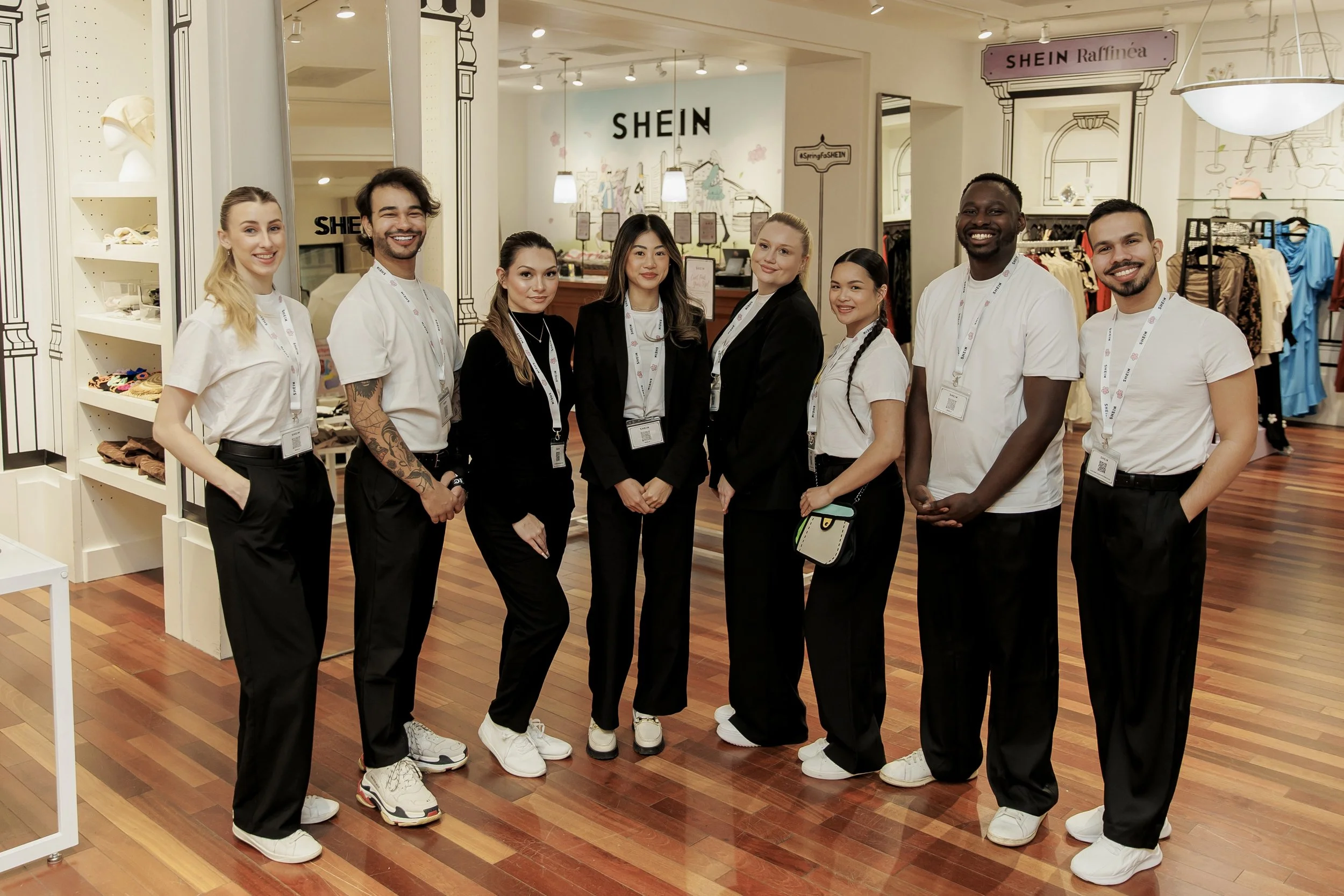
Great ideas deserve flawless execution. Professional event staffing makes the difference between good intentions and exceptional experiences. Magnetic's corporate event services transform your vision into reality through:
Experienced coordinators manage logistics while you focus on strategic goals
Skilled facilitators ensure every attendee feels included and engaged
Technical specialists handling AV, streaming, and digital components seamlessly
On-site problem-solvers addressing issues before they impact guest experience
When you hire event staff through Magnetic, you're not just getting extra hands. You're partnering with professionals who've supported hundreds of successful corporate gatherings. Our teams understand the nuances of corporate culture while bringing fresh energy that elevates any event.
Ready to create an unforgettable experience? Magnetic event solutions provide the expertise and execution excellence your next corporate event deserves. Book a free consultation and discover how professional support transforms good events into career-defining moments your team will reference for years.