Brand activations have emerged as the marketing strategy that breaks through digital noise by creating tangible, memorable experiences that forge genuine connections between brands and consumers. These experiential marketing campaigns transform passive audiences into active participants, generating the kind of emotional engagement that traditional advertising simply cannot match.
The statistics speak for themselves: 85% of attendees are more likely to purchase after attending a brand activation, while 70% become repeat customers. Even more impressive, the vast majority of participants create and share content about their experience online, delivering massive organic reach that extends far beyond the event itself.
What makes brand activation ideas so powerful? They engage multiple senses, create shareable moments, and leverage the human desire for unique experiences. Unlike static advertisements that consumers scroll past in milliseconds, immersive experiences demand attention and participation. They transform marketing from something people avoid into something they actively seek out.
This shift toward experiential campaigns reflects a fundamental change in consumer engagement: modern audiences, particularly Millennials and Gen Z, value experiences over possessions. Research consistently shows that 78% of millennials prefer spending on experiences rather than material goods. They crave authentic interactions with brands that align with their values and provide genuine value beyond the transaction.
In this comprehensive guide, we'll explore why brand activations deliver exceptional ROI, where they fit in your marketing funnel, and provide 20 proven activation ideas that drive results. Whether you're planning your first pop-up event or looking to elevate your experiential strategy, you'll find actionable insights to create campaigns that resonate with your audience and deliver measurable business impact.
From innovative sampling experiences to AR-powered installations, from influencer collaborations to community-driven initiatives, the opportunities for creative brand expression are limitless. The key lies in understanding your audience, setting clear objectives, and executing with precision and authenticity. Let's dive into how to create brand activations that don't just capture attention but capture hearts, minds, and wallets.
What Is Brand Activation?
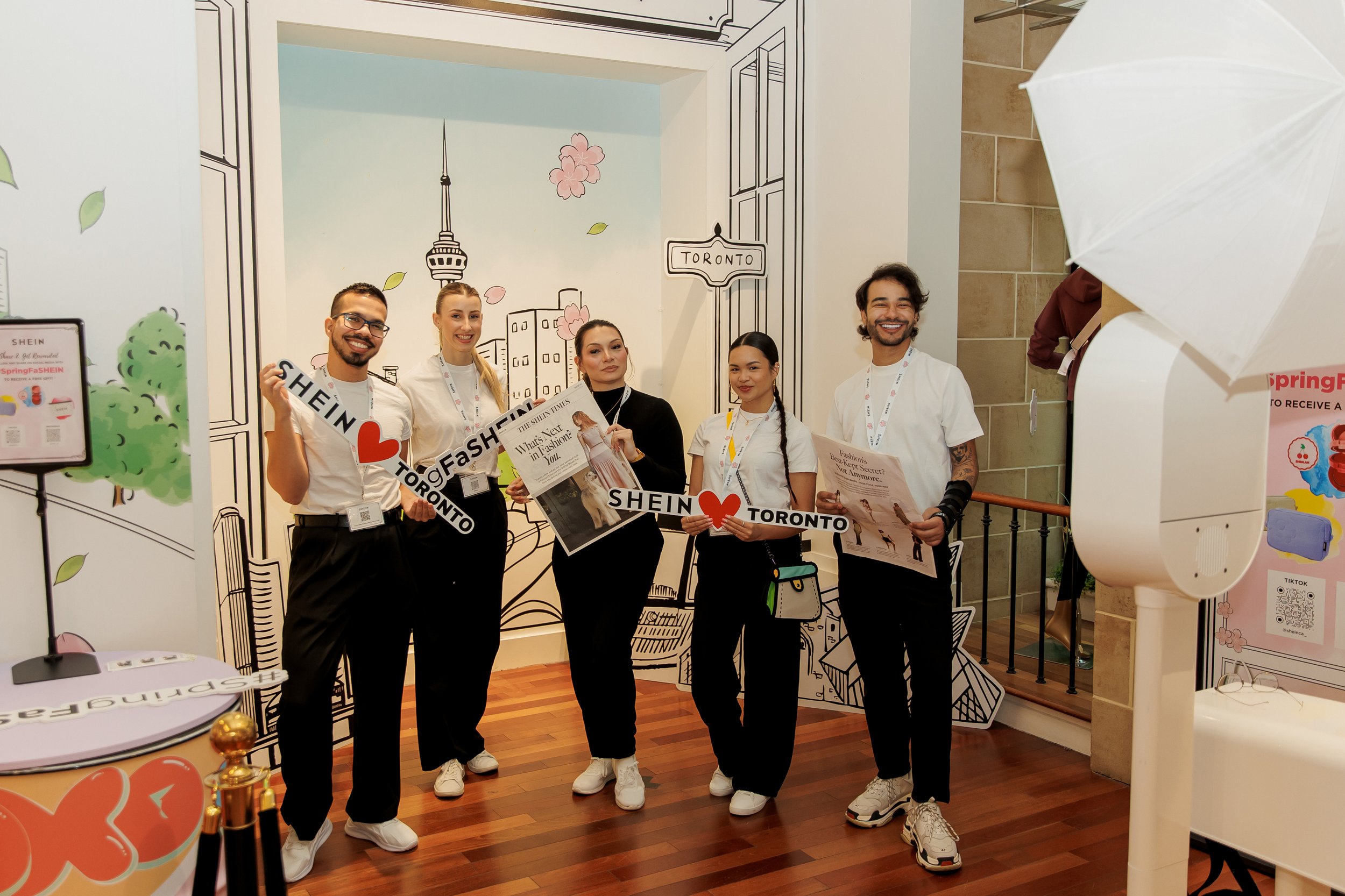
Brand activation is an experiential marketing strategy that brings brands to life through direct, interactive experiences with consumers. Rather than telling people about your brand through traditional advertising, brand activation shows them what you stand for through immersive, participatory campaigns that engage the senses and emotions.
At its core, brand activation transforms marketing from a one-way message into a two-way conversation. These experiential campaigns invite consumers to touch, taste, feel, or interact with your brand in meaningful ways. Think of it as the difference between watching a cooking show and actually preparing a meal with a professional chef (one is passive consumption, the other is active participation that creates lasting memories).
Interactive marketing through brand activations takes many forms: pop-up shops that surprise and delight, product sampling experiences that go beyond simple giveaways, AR installations that merge digital and physical worlds, or community events that demonstrate brand values in action. The common thread? Each activation creates a direct, personal connection between brand and consumer.
Brand ambassadors play a crucial role in bringing these experiences to life. These trained representatives don't just hand out flyers (they facilitate experiences, share brand stories authentically, guide participants through interactive elements, and capture valuable consumer insights). They transform corporate messaging into human connections, making brands approachable and memorable.
What distinguishes brand activation from other marketing tactics is its emphasis on experience over exposure. While traditional advertising measures success in impressions, brand activations measure success in meaningful interactions, emotional connections, and behavioral changes. It's marketing that doesn't feel like marketing (it feels like an event, an adventure, or a discovery that consumers actively choose to be part of).
Benefits & ROI Statistics
The business case for brand activation ROI is compelling and backed by complex data. Organizations investing in experiential campaigns report returns that far exceed traditional marketing channels, with measurable impacts on awareness, consideration, and purchase behavior.
Let's start with the numbers that matter most: sales lift. Research shows that brands report direct sales increases from experiential marketing, with campaigns delivering strong returns on investment. This isn't surprising when you consider that 85% of consumers who attend brand activations report higher purchase intent, which directly translates into revenue growth.
The social amplification effect drives even greater value. With the vast majority of activation participants creating user-generated content, each event becomes a content generation engine. This UGC delivers authentic brand endorsements that resonate far more than paid advertising. Consider this: a single successful activation with 500 attendees can generate tens of thousands of social impressions, extending reach exponentially beyond the physical event.
Event marketing statistics reveal why brands are doubling down on experiential strategies. Many brands plan to increase experiential marketing investments in the coming years, recognizing that these campaigns deliver what digital advertising struggles to achieve: genuine emotional connections. When consumers physically interact with your brand, they form memories and associations that persist long after the experience ends.
The data on consumer preference is equally compelling. Research shows that 78% of millennials prefer spending on experiences rather than material goods, making experiential marketing essential for reaching this valuable demographic. These generations value memories more than possessions and seek meaningful moments with brands.
Most importantly, brand activations drive long-term loyalty. Studies indicate that consumers report feeling more loyal to brands after attending immersive events, while 70% of activation participants become repeat customers. This loyalty translates to a lifetime value that far exceeds the initial investment. When you combine immediate sales impact with long-term loyalty gains and organic social amplification, the ROI equation becomes clear: experiential marketing isn't just effective, it's essential for modern brand building.
Where Brand Activation Fits in the Marketing Funnel
Understanding where brand activation fits within your marketing funnel is crucial for maximizing its impact. Unlike traditional tactics confined to specific funnel stages, experiential campaigns simultaneously influence multiple stages, creating a multiplier effect on overall marketing performance.
At the awareness stage, brand activations generate attention through their novelty and shareability. A well-executed pop-up or installation creates buzz that extends far beyond attendees through social sharing and earned media coverage. The visual, participatory nature of activations makes them inherently newsworthy and social-media-friendly, driving organic awareness at scale.
During the consideration stage, activations provide the hands-on experience that moves consumers from interest to intent. Product demonstrations, interactive installations, and guided experiences allow potential customers to engage with your offerings in low-pressure, high-value contexts. This direct interaction addresses questions, overcomes objections, and builds confidence in purchase decisions.
For conversion tactics, brand activations excel at creating urgency and motivation. Limited-time experiences, exclusive access, and on-site offers capitalize on the moment's excitement. The combination of emotional engagement and immediate opportunity drives conversion rates that far exceed those of standard marketing tactics.
Post-purchase, activations continue delivering value through community building and loyalty reinforcement. Events that celebrate existing customers or provide exclusive experiences deepen brand relationships and generate advocacy. This creates a virtuous cycle where satisfied customers become brand ambassadors, driving new awareness and consideration.
The beauty of experiential marketing lies in its potential to drive an omnichannel strategy. Physical activations generate digital content, online campaigns drive event attendance, and both channels reinforce each other. A single activation can produce assets for social media, email marketing, website content, and paid advertising, maximizing the value of your investment across all marketing channels. This integrated approach ensures that brand activations don't operate in isolation but amplify your entire marketing ecosystem.
20 Creative Brand Activation Ideas
1. Pop-Up Immersive Events

Pop-up events transform everyday spaces into branded wonderlands that surprise and delight audiences. The temporary nature creates urgency while the immersive design ensures memorability. Successful pop-ups combine Instagram-worthy aesthetics with interactive elements that encourage participation and sharing.
Consider Starbucks' Sparkle Shop, which transformed a standard retail space into a glittering holiday boutique. By combining exclusive product launches with influencer partnerships and festive design, they created an experience that generated massive social buzz. The key? Every element was designed for shareability, from the sparkling decor to the limited-edition merchandise.
To execute effectively, focus on high-traffic locations where your target audience naturally congregates. Design multiple photo opportunities throughout the space and staff with enthusiastic brand ambassadors who can facilitate experiences and capture lead information. The investment in creating a truly immersive environment pays dividends in earned media and user-generated content.
2. Mobile Tours & Roadshows
Mobile tours bring your brand directly to consumers across multiple markets, maximizing reach while maintaining the impact of a localized experience. Converting vehicles into rolling brand experiences creates flexibility and surprise that static locations cannot match.
The Rickmobile exemplified this approach perfectly, transforming a vehicle into a mobile shrine for "Rick and Morty" fans. By traveling to different cities and parking in high-visibility areas, they created spontaneous gathering points for fans to engage with the brand, purchase exclusive merchandise, and generate social content.
Success requires careful route planning, local permit coordination, and a strong ground team. Equip your mobile unit with interactive technology, product demonstrations, or unique experiences that justify the stop. Brand ambassadors should be prepared to manage crowds, facilitate experiences, and adapt to different venue requirements while maintaining consistent brand messaging.
3. Interactive Sampling Booths
Transform product trials from passive handouts into engaging experiences. Sampling booths that incorporate education, personalization, or entertainment create memorable interactions that drive conversion far beyond traditional sampling.
Batiste's pop-up dry shampoo salons demonstrated this perfectly. Instead of simply distributing samples, they created mini-salon experiences in which professional stylists used the product to refresh attendees' hair. This hands-on demonstration yielded immediate results and made a pampering experience that participants eagerly shared.
Design your sampling experience to showcase product benefits through action, not just description. Train brand ambassadors to provide personalized recommendations and capture feedback. Consider incorporating technologies such as skin analysis tools or flavor profiling to add a consultative element that elevates the sampling experience beyond simple distribution.
4. Gamified Contests & Challenges
Gamification transforms brand interactions into play, significantly boosting engagement time, participation rates, and data-collection opportunities. Well-designed games create competitive excitement while naturally incorporating product education and brand messaging.
Structure challenges that align with your brand values and product benefits. A fitness brand might create physical challenges, while a tech company could develop puzzle-solving experiences. The key is balancing accessibility with achievement (games should be easy to understand but satisfying to complete).
Incorporate leaderboards, instant rewards, and social sharing mechanisms to amplify participation. Brand ambassadors can serve as game masters, explaining rules, encouraging participation, and celebrating winners. Digital integration through apps or QR codes enables real-time scoring and post-event engagement.
5. Augmented/Virtual Reality Experiences
AR brand activation merges digital innovation with physical presence, creating wow moments that position your brand as forward-thinking and innovative. These technologies allow consumers to experience products or brand stories in ways impossible through traditional media.
HP's anti-gravity printer demonstration showcased how technology can reinforce brand positioning. By creating a physics-defying display, they didn't just show a printer (they demonstrated innovation and challenged expectations). Even simpler AR applications, like virtual try-ons or interactive filters, can create memorable brand interactions.
Success requires balancing technological sophistication with user accessibility. Ensure your AR/VR experiences are intuitive and don't require extensive instruction. Have brand ambassadors guide participants through the experience, troubleshoot technical issues, and capture participant reactions. The goal is to make advanced technology feel approachable and fun, not intimidating or frustrating.
6. Influencer & UGC Events
Influencer events multiply your activation's reach by leveraging established audiences and authentic voices. By creating experiences specifically designed for content creation, you transform attendees into brand amplifiers.
Structure these events with content creation in mind. Provide multiple photo opportunities, interesting props or backgrounds, and experiences that translate well to social media. Exclusive preview events for influencers before public activation can generate anticipation and initial buzz.
Brand ambassadors should facilitate introductions between influencers and brand representatives, ensure a smooth experience flow, and help capture behind-the-scenes content. Consider providing content creation tools or editing stations to make sharing even easier. The investment in influencer experiences typically returns multiple times over in earned media value.
7. Themed Brand Takeovers
Transform entire venues into brand experiences through themed takeovers. This approach creates immersive environments where every touchpoint reinforces your brand story and values.
Taco Bell's hotel takeover set the gold standard, converting a Palm Springs resort into a fully branded destination. From hot sauce packet pool floats to taco-themed room decor, every detail reinforced the brand experience. This total immersion created an exclusive "money-can't-buy" experience that generated massive media coverage.
Even smaller-scale takeovers can deliver impact. Transform a restaurant, retail space, or event venue with branded elements, custom menus, and themed activities. Brand ambassadors dressed in themed attire can guide guests through different experiences while maintaining the immersive atmosphere.
8. Sensory & Themed Installations
Multi-sensory installations create memorable experiences by engaging the senses of sight, sound, touch, taste, and smell. Sensory installations leave lasting impressions because they activate multiple memory pathways simultaneously.
M&M's Flavor Rooms exemplified this approach, creating distinct environments for each potential new flavor. Visitors didn't just taste products (they entered fully designed spaces with matching decor, music, and even scents). This complete sensory experience made flavor testing feel like an adventure.
Design installations that tell your brand story through environmental design. Use lighting, soundscapes, textures, and even temperature to create distinct atmospheres. Brand ambassadors can guide visitors through different sensory zones, explaining how they connect to brand values and gathering feedback on preferences.
9. Social Media Sharing Stations
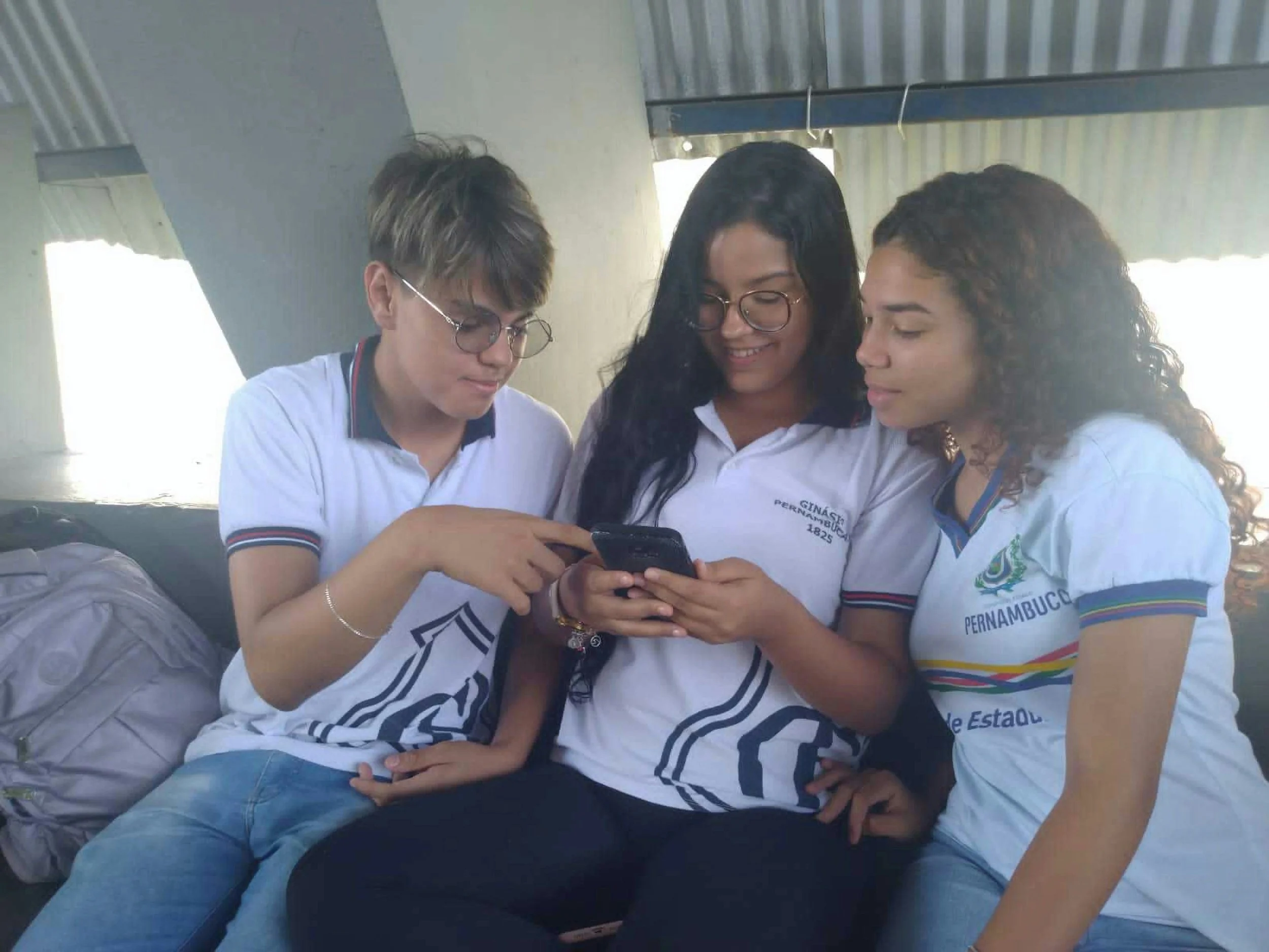
Purpose-built social media sharing stations transform activation attendees into content creators. By removing friction from the sharing process and providing compelling visual opportunities, you maximize social amplification.
Design stations with platform-specific content in mind. A 360-degree camera station creates engaging Instagram Reels, while a slow-motion booth produces shareable TikTok content. Incorporate branded elements naturally into the content rather than overwhelming it with logos.
Technology integration streamlines sharing (touchscreens for instant uploads, QR codes for filter access, or text-to-receive options for content delivery). Brand ambassadors should encourage participation, assist with technology, and demonstrate creative possibilities. Real-time social walls displaying shared content create FOMO and drive additional participation.
10. Novel Freebies & Giveaways
Reimagine product distribution through creative mechanisms that transform giveaways into experiences. Novel delivery methods create anticipation and shareability that standard handouts cannot match.
GoGo Squeez's giant applesauce pouch vending machine demonstrated this perfectly. The oversized installation attracted attention, while the game-like dispensing mechanism created excitement around product trial. Winners receiving the year's supplies generated additional buzz and sharing.
Consider claw machines, prize wheels, or skill-based games that make earning samples feel like an achievement. Mystery boxes, limited edition packaging, or personalized products add exclusivity. Brand ambassadors can build excitement, explain prize values, and celebrate winners, turning simple distribution into memorable moments.
11. Educational Workshops & DIY Activities
Position your brand as a valuable resource by offering workshops that teach skills relevant to your products. Educational experiences create deeper engagement while naturally incorporating product benefits.
Food brands might offer cooking classes, beauty brands could provide makeup tutorials, and tech companies could host coding workshops. The key is providing genuine value beyond product promotion. Participants leave with new skills and positive brand associations.
Structure workshops for different skill levels and interests. Provide take-home materials or digital resources for continued learning. Brand ambassadors with expertise can lead sessions, while others assist participants and gather feedback. The teaching environment creates natural opportunities for product demonstration without feeling sales-focused.
12. Co-Create with Audiences

Involve consumers in product development or campaign creation to build investment and advocacy. Co-creation experiences make participants feel valued while generating authentic insights.
Set up stations where visitors vote on new flavors, design packaging elements, or contribute to brand storytelling. M&M's flavor voting campaign succeeded because participants felt their opinions directly influenced product decisions.
Digital integration enables real-time visualization of collective choices. Brand ambassadors can facilitate brainstorming sessions, explain how input will be used, and share previous co-creation success stories. Follow up with participants when their ideas influence final products to maintain engagement.
13. Scavenger Hunts & Citywide Games
Scavenger hunts transform entire neighborhoods into brand playgrounds. By dispersing touchpoints across locations, you create extended opportunities for engagement and exploration.
Design hunts that incorporate local landmarks, partner businesses, or hidden pop-up locations. Digital integration through apps or social media enables real-time tracking and competitive elements. Prizes should justify the effort required to participate (exclusive products, VIP experiences, or significant discounts).
Brand ambassadors stationed at key points can provide clues, validate completions, and maintain excitement. The extended interaction time allows for deeper brand storytelling and community building among participants. Post-hunt gatherings create opportunities for additional engagement and prize distribution.
14. Partnerships & Co-Events
Strategic partnerships amplify reach while sharing costs and creative resources. Co-branded experiences introduce your brand to new audiences while reinforcing credibility through association.
Identify partners with complementary audiences but non-competing products. A fitness apparel brand might partner with a healthy food company for wellness events. Joint activations should highlight natural connections between brands while maintaining distinct identities.
Coordinate brand ambassadors from both partners to ensure consistent messaging and smooth experience delivery. Cross-promotion before, during, and after events maximizes reach. Shared data and insights benefit both brands while reducing individual investment requirements.
15. Community & CSR Campaigns
Align activations with causes your audience cares about to build emotional connections beyond commercial relationships. CSR activation demonstrates brand values through action.
Nedbank's beach cleanup campaign mobilized thousands while reinforcing environmental commitment. Participants didn't just hear about brand values (they actively embodied them). This shared purpose creates powerful bonds between brands and consumers.
Choose causes authentically connected to your brand and audience values. Provide tangible ways for participants to contribute while incorporating brand elements naturally. Brand ambassadors should focus on driving impact rather than product promotion, allowing positive associations to develop organically.
16. Flash Mobs & Surprise Performances
Flash mob marketing creates spontaneous moments of joy that capture attention and generate viral content. The surprise element makes these activations inherently shareable.
Plan performances that align with brand personality (energetic dances for youth brands, classical music for luxury brands, or comedy for approachable brands). Location selection is crucial for both impact and permissions.
Brand ambassadors, discreet in the crowd, can guide audience reactions and distribute information after the performance. Capture multiple angles for social content and have systems ready to share footage with participants immediately. The ephemeral nature of flash mobs creates urgency to share and discuss the experience.
17. Augmented Storefronts or Billboards
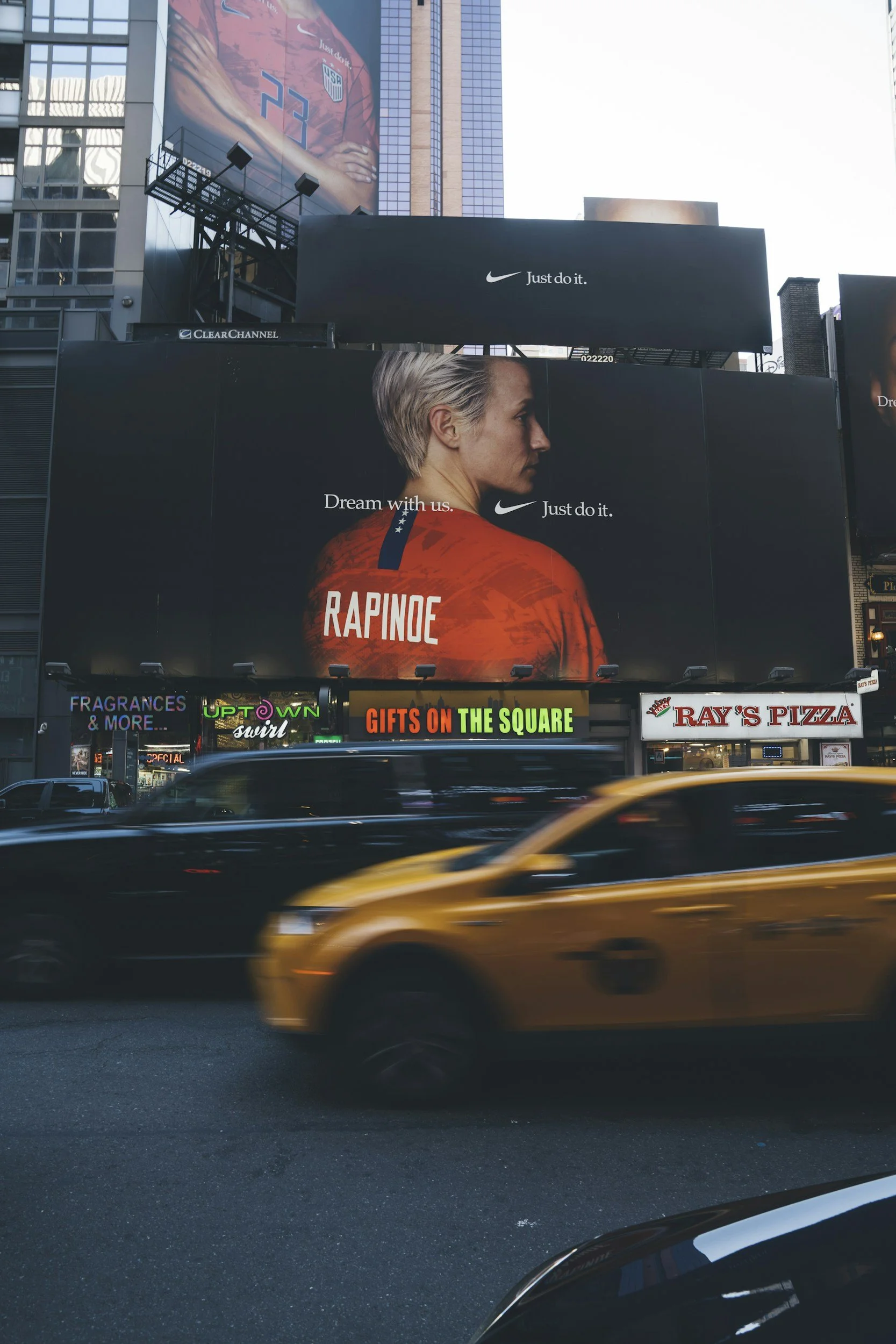
Transform traditional advertising spaces into interactive experiences through digital integration. Augmented billboards and storefronts blur lines between advertising and entertainment.
Interactive window displays respond to movement, billboards become playable games, or building facades tell stories through projection mapping. These installations capture attention through novelty while providing deeper engagement than static ads.
Position brand ambassadors nearby to encourage participation, explain interactions, and capture user data. QR codes or app integration can extend experiences beyond the physical installation. The combination of public visibility and personal interaction maximizes both reach and engagement.
18. Themed Festivals or Mini-Concerts
Create branded festivals that celebrate your product category or brand culture. These larger-scale activations position your brand as a cultural contributor beyond a commercial entity.
Food brands might host tasting festivals, lifestyle brands could create wellness retreats, and entertainment brands could sponsor concert series. The festival format allows multiple activation types within one event while attracting diverse audiences.
Brand ambassadors throughout the festival guide experiences, manage activities, and ensure smooth flow between attractions. Partner with local artists, vendors, or performers to build community connections. The extended engagement time during festivals creates numerous touchpoints for brand interaction and relationship-building.
19. Virtual Brand Activations
Digital-first activations extend reach beyond geographic limitations while maintaining experiential elements. Virtual events can complement physical activations or stand alone for global campaigns.
Create immersive online experiences through live streaming, interactive platforms, or metaverse environments. Virtual product launches, digital scavenger hunts, or avatar-based brand worlds engage remote audiences meaningfully.
Digital brand ambassadors (both human and AI-powered) can guide experiences, answer questions, and facilitate connections between participants. Gamification elements and exclusive digital rewards incentivize participation. Integration with physical activations through hybrid events maximizes total reach and engagement.
20. Pop-Culture Tie-Ins & Limited Drops
Leverage cultural moments and trends through timely activations that feel relevant and exciting. Pop culture connections make brands part of larger conversations.
Monitor trending topics, upcoming releases, and cultural events for activation opportunities. Create limited-edition products, themed experiences, or character appearances that capitalize on existing enthusiasm. The scarcity of limited drops drives urgency and desirability.
Brand ambassadors dressed as relevant characters or trained in specific cultural references enhance authenticity. Social media integration is crucial for these time-sensitive activations. Quick execution and nimble planning allow brands to ride cultural waves while they peak.
Execution Blueprint
Step-by-Step Planning Framework
Successful brand activations require meticulous planning and systematic execution. Start by defining crystal-clear objectives tied to measurable outcomes. Replace vague goals like "increase awareness" with specific targets: "generate 500 qualified leads" or "achieve 10,000 social shares with campaign hashtag."
Next, develop your creative concept around these objectives. The best activations seamlessly align creative execution with business goals. Suppose lead generation is a priority, design experiences that naturally incorporate data capture. If social amplification matters most, optimize every element for shareability.
Create detailed timelines working backward from your activation date. Include permit applications, vendor negotiations, staff recruitment, and production deadlines. Build buffer time for inevitable delays and have contingency plans for weather, technical failures, or other disruptions.
Budget comprehensively, accounting for hidden costs like insurance, permits, and post-event logistics. Allocate 10-15% contingency funding for unexpected expenses. Remember that cutting corners on crucial elements, such as brand ambassador staffing or technology, often undermines the entire investment.
Develop your event planning checklist with obsessive detail. Include setup specifications, run-of-show timing, staff assignments, and emergency procedures. Test all technology multiple times and have backup systems ready. Clear documentation ensures smooth execution even if key team members become unavailable.
Role of Brand Ambassadors
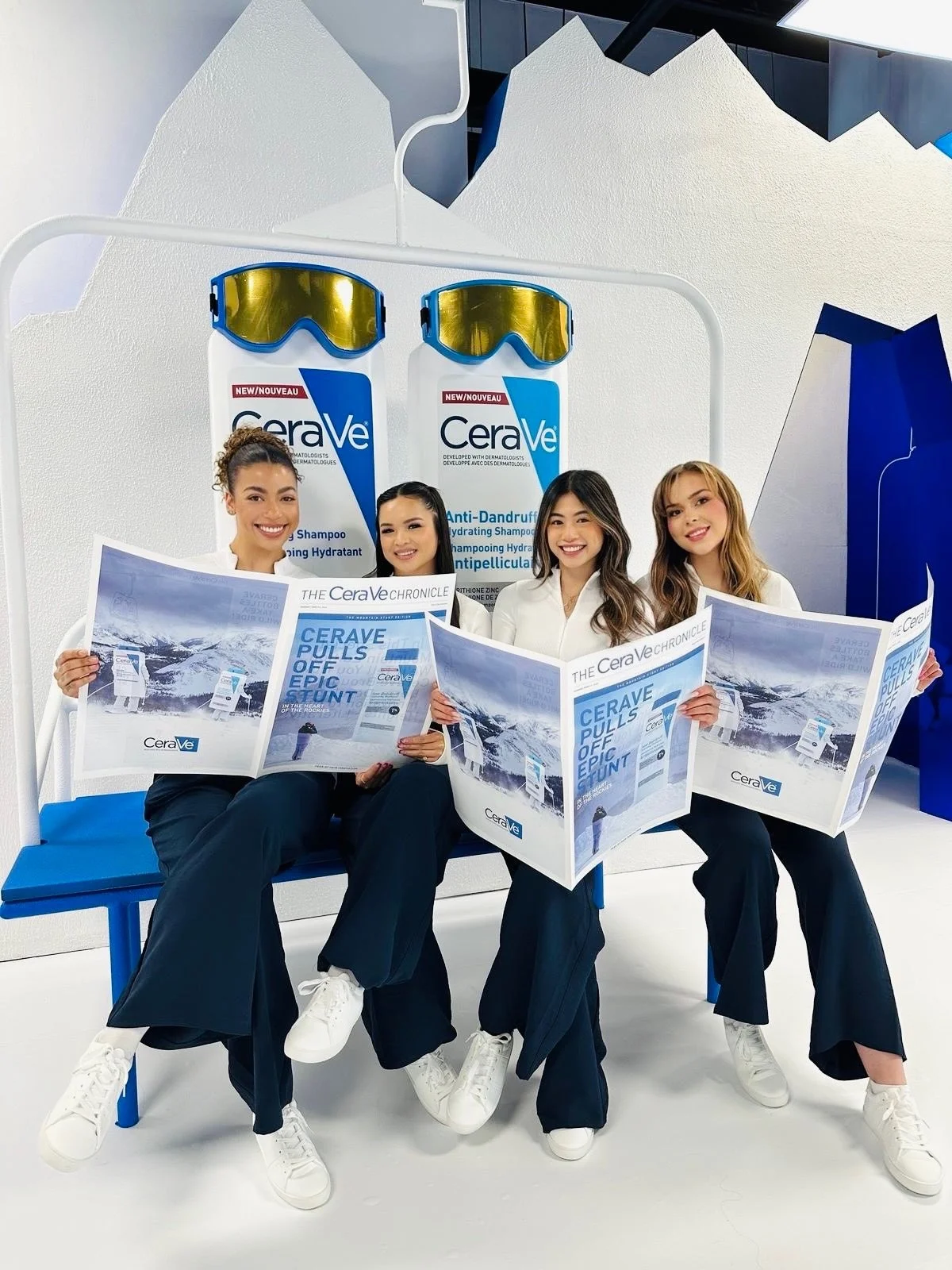
Brand ambassadors transform good activations into great ones. These human connections bring warmth and authenticity that technology alone cannot provide. Effective ambassadors do more than recite scripts (they embody brand values and create genuine connections with participants).
Recruit ambassadors who naturally align with your brand personality. Energy and enthusiasm matter more than perfect product knowledge, which can be trained. Look for strong communicators who remain composed under pressure and genuinely enjoy human interaction.
Invest in comprehensive training beyond basic product information. Role-play various scenarios, from technical difficulties to difficult attendees. Teach ambassadors to read crowd energy and adapt their approach accordingly. Provide clear escalation procedures for situations beyond their scope.
Empower ambassadors with tools for success: branded uniforms that stand out, technology for lead capture, and demonstration materials. Most importantly, give them autonomy to personalize interactions while maintaining brand consistency. The best ambassadors feel like brand owners, not temporary staff.
Technology & Hybrid Integrations
Experiential tech amplifies activation impact when integrated thoughtfully. Start with your objectives, then select technology that enhances rather than complicates the experience. Simple solutions often outperform complex systems that create friction or failure points.
Essential technologies include robust Wi-Fi infrastructure, backup power systems, and reliable data-capture methods. Cloud-based systems enable real-time reporting and prevent data loss. Mobile point-of-sale systems facilitate smooth on-site transactions.
For hybrid activations, invest in quality streaming equipment and interactive platforms that maintain engagement across channels. Virtual attendees should feel included, not like second-class participants. Synchronize physical and digital experiences through shared activities, simultaneous reveals, or cross-channel competitions.
Always maintain analog backups for critical functions. Paper sign-up forms, manual payment processing, and offline entertainment options prevent technology failures from derailing entire activations. Test all systems under event conditions (what works perfectly in controlled environments often fails under real-world stress).
Measurement & Optimization
Effective measurement transforms brand activations from expensive experiments into data-driven marketing channels. Establish your event metrics framework before activation launch, ensuring every element connects to business objectives.
Primary metrics should include attendance figures, engagement rates, and conversion data. Track not just total visitors but meaningful interactions (demos completed, samples distributed, content created). Lead capture quality matters more than quantity; 100 highly qualified leads outperform 1,000 casual sign-ups.
Implement social sentiment analysis to understand emotional impact beyond raw numbers. Monitor hashtag usage, comment sentiment, and share context to gauge authentic enthusiasm versus polite participation. Tools like social listening platforms provide real-time feedback for mid-activation adjustments.
Create your ROI calculator that incorporates both hard costs and soft benefits. Direct revenues from on-site sales provide clear returns, but don't overlook the lifetime value of new customer acquisition, the brand lift from media coverage, and the creation of content assets for future campaigns.
Post-event analysis should happen quickly while memories remain fresh. Survey participants within 48 hours for accurate recall. Compare actual results against projections to refine future planning. Share wins and learnings across teams to improve organizational capability.
Post-event follow-up often determines ultimate success. Nurture leads immediately with personalized communications referencing their specific interaction. Exclusive offers for activation participants maintain momentum, while tracking conversion rates validates the quality of initial engagement. The most successful brands treat activations as the beginnings of relationships, not one-time interactions.
Real-World Mini Case Studies
Learning from successful activations provides practical insights for your own campaigns. Let's examine how leading brands transformed creative concepts into measurable business results.
The Starbucks Sparkle Shop case study demonstrates the power of limited-time exclusivity. This holiday pop-up combined multiple activation elements: influencer partnerships, Instagram-worthy design, exclusive merchandise, and product sampling. By creating a festive boutique environment rather than a standard sampling station, Starbucks elevated perceived value and generated massive social sharing. The lesson? Production value and exclusivity justify premium pricing while driving organic amplification.
Taco Bell hotel activation took brand immersion to extremes. By converting an entire Palm Springs resort into a Taco Bell paradise, they created an experience money literally couldn't buy (rooms were available only through contests, and reservations sold out in minutes). Every detail, from pool floats to room service, reinforced brand identity. This activation generated international media coverage worth millions while strengthening brand loyalty among superfans. The takeaway: bold, fully-committed experiences generate disproportionate returns.
The success of the Rickmobile tour proved that mobile activations can build sustained momentum across markets. This converted vehicle served as a rolling shrine for "Rick and Morty" fans, creating spontaneous gatherings wherever it parked. By combining exclusive merchandise with photo opportunities and surprise appearances, each stop became an event. Social content from one city built anticipation for the next, creating a snowball effect. The insight: mobile activations multiply impact through built-in publicity and FOMO generation.
Each case study reinforces core principles: commit fully to the concept, design for shareability, create exclusive elements, and measure everything. Success comes from bold execution of well-planned strategies, not half-hearted attempts at trendy tactics.
Common Mistakes to Avoid
Understanding common event pitfalls helps you sidestep costly errors that undermine activation success. These mistakes occur repeatedly across industries, making them predictable and preventable.
Poor staffing ranks as the most frequent activation killer. Understaffing creates long waits that frustrate attendees, while untrained staff deliver inconsistent brand messages. Hiring solely on cost rather than quality turns brand ambassadors into liabilities. Invest in professional staff and comprehensive training (the human element often determines activation success).
Unclear objectives lead to unfocused experiences that confuse participants and deliver muddy results. Activations trying to accomplish everything typically achieve nothing. Define primary goals and design every element to support them. If trade-offs arise, prioritize activities that directly serve core objectives.
Logistical errors cascade into operational nightmares. Inadequate space planning creates dangerous crowding. Insufficient power or connectivity cripples technology-dependent elements. Missing permits can shut down events entirely. Detail-oriented planning and contingency preparation prevent these fundamental failures.
Brand disconnect occurs when activation elements feel forced or inauthentic. Trendy tactics that don't align with brand values confuse rather than engage audiences. Every component should feel like a natural brand extension. If an idea requires extensive explanation to connect with your brand, it doesn't belong in your activation.
Avoiding these mistakes requires honest assessment and disciplined planning. Regular team check-ins during planning identify potential issues early. Post-event analysis of near-misses prevents future failures. Most importantly, maintain focus on participant experience throughout planning and execution.
Conclusion & Next Steps
Brand activations represent the future of marketing (creating memorable experiences that transform passive audiences into active brand advocates). As traditional advertising effectiveness declines, an experiential marketing strategy becomes essential for cutting through noise and building genuine connections.
The data speaks clearly: consumers crave experiences over advertisements, share immersive content enthusiastically, and develop lasting loyalty to brands that engage them meaningfully. Your next campaign success depends on embracing this shift from telling to showing, from broadcasting to engaging.
Start by selecting one or two activation ideas that align with your brand values and audience preferences. Test concepts through smaller pilot programs before scaling successful elements. Remember that the perfect execution of a simple concept outperforms ambitious ideas poorly implemented.
Most critically, invest in the human element. Partner with brand ambassadors who bring energy, authenticity, and professionalism to your activations. Technology and creative concepts provide the framework, but people create the connections that drive real business results.
The brands winning hearts and wallets tomorrow are planning experiential campaigns today. Whether you're launching your first pop-up or evolving established programs, the time to act is now. Your audience is waiting for experiences worth sharing. Deliver them.
Ready to Create Unforgettable Brand Experiences?
Ready to make your next activation unforgettable? Schedule a free 30-minute strategy call with our experiential experts today. We'll analyze your objectives, share relevant case studies, and outline a custom approach for your brand activation success.
Get our 24-page Brand Activation Playbook & ROI Calculator. Inside, you'll find budget templates, staffing worksheets, and a step-by-step timeline to plan high-impact experiences that drive measurable results. This comprehensive guide includes real examples, vendor checklists, and proven frameworks from hundreds of successful activations. Download the Playbook (free with email).