How to Plan a Corporate Event: The Complete Step-by-Step Guide
The corporate events industry represents a massive opportunity and equally massive responsibility. With the global market valued at $325 billion in 2023 and projected to reach approximately $600 billion by 2029, the stakes for delivering successful corporate events have never been higher. Whether you're planning a product launch, sales kickoff, or executive conference, following a structured planning framework is essential for achieving measurable business results.
This comprehensive guide walks through nine critical steps for corporate event planning, covering everything from initial goal-setting through post-event ROI measurement. You'll learn how to build realistic budgets, select venues that enhance your objectives, create memorable experiences, and measure success in concrete terms.
1. Define Clear Event Goals & Objectives
Every successful corporate event begins with crystal-clear objectives. Before considering venues or entertainment, you need to answer fundamental questions about purpose and desired outcomes. This foundational work shapes every subsequent decision in your event planning process.
Identifying Your Event Purpose
Start by defining the primary reason for hosting your event. Common corporate event goals include:
Product Launches: Introducing new offerings to customers, partners, or media with maximum impact
Team Building: Strengthening internal relationships and company culture through shared experiences
Client Appreciation: Deepening relationships with key accounts and demonstrating value beyond transactions
Sales Kickoffs: Aligning sales teams on strategies, motivating performance, and building momentum
Training & Education: Upskilling employees or partners on new systems, products, or methodologies
Brand Awareness: Positioning your company as an industry leader through thought leadership
Understanding Your Target Audience
Once you've established a purpose, define exactly who should attend. Create detailed audience personas that include:
Demographics (job titles, industries, company sizes)
Psychographics (motivations, challenges, interests)
Attendance drivers (what would make them prioritize your event)
Content preferences (technical depth, format preferences)
Logistical considerations (travel requirements, time constraints)
This audience intelligence informs everything from venue selection to session formats. For example, C-suite executives might expect intimate roundtables and premium experiences, while technical audiences may prioritize hands-on workshops and deep-dive sessions.
Setting SMART Success Metrics
Transform vague aspirations into specific, measurable event KPIs using the SMART framework:
Specific: "Generate qualified sales leads" rather than "increase awareness."
Measurable: "Collect 150 qualified leads with budget authorit,y" not "get lots of lea.ds"
Achievable: Base targets on historical performance and market conditions
Relevant: Align metrics directly to business objectives
Time-bound: Set deadlines for achieving each metric
Common corporate event success metrics include:
Registration-to-attendance conversion rates
Qualified lead generation numbers
Post-event survey satisfaction scores
Social media reach and engagement
Sales pipeline impact within 90 days
Employee engagement or knowledge retention scores
Stakeholder Alignment Process
Secure buy-in from key stakeholders early through structured alignment meetings:
Initial Briefing: Present proposed objectives, audience, and success metrics
Feedback Integration: Incorporate stakeholder input and concerns
Formal Approval: Document agreed-upon goals and get a written sign-off
Regular Updates: Schedule checkpoint meetings to maintain alignment
This upfront investment prevents scope creep and ensures everyone judges success by the same criteria.
2. Build a Realistic Budget

Your budget forms the backbone of every planning decision. Creating a comprehensive, realistic budget early prevents financial surprises and enables strategic trade-offs throughout the planning process.
Major Cost Categories
When building your corporate event budget, account for these primary expense buckets:
Venue & Catering (35-45% of budget)
Space rental fees
Food and beverage minimums
Service charges and gratuities
Setup/breakdown fees
Overtime charges for extended events
Production & Technology (20-30% of budget)
Audio-visual equipment rental
Staging and scenic elements
Lighting design and equipment
Live streaming or recording services
Event apps and registration platforms
Technical staff and operators
Marketing & Communications (10-15% of budget)
Creative development and design
Digital advertising spend
Email marketing platforms
Printed materials and signage
Social media management
PR and media relations
Talent & Entertainment (15-25% of budget)
Keynote speaker fees
Entertainment acts
Workshop facilitators
Travel and accommodation for talent
Rider requirements
Staffing & Management (10-15% of budget)
Event management fees
On-site coordinators
Registration staff
Security personnel
Photography/videography
The 10% Contingency Rule
Always include a budget contingency of at least 10% to cover unexpected costs. Common surprises include:
Last-minute attendee increases requiring additional catering
Technical equipment failures necessitating replacements
Weather-related venue changes
Overtime labor costs
Rush shipping for forgotten materials
This buffer protects your event quality when inevitable changes occur.
Vendor Negotiation Strategies
Maximize your budget through smart negotiation:
Bundle Services: Venues often discount when you book multiple services (catering, AV, accommodations)
Off-Peak Timing: Consider Tuesday-Thursday events or off-season dates for significant savings
Multi-Year Contracts: Commit to future events for better current pricing
Early Payment Discounts: Many vendors offer 2-5% discounts for prompt payment
Value-Add Negotiations: If prices won't budge, negotiate for complimentary upgrades or services
Budget Tracking Tools
Implement systems to monitor spending throughout planning:
Master Spreadsheet: Track committed costs, actuals, and remaining budget by category
Approval Workflows: Require sign-offs for expenses exceeding predetermined thresholds
Regular Reviews: Schedule weekly budget check-ins during active planning phases
Vendor Payment Schedule: Map out when deposits and payments are due
ROI Forecasting Methods
Calculate potential return to justify your budget:
Lead Value Calculation: Number of expected leads × average deal value × close rate
Brand Value Assessment: Media impressions × industry CPM rates
Employee Productivity: Training effectiveness × productivity improvement × employee count
Customer Lifetime Value: Retention improvement × average customer value
Document these projections to secure budget approval and measure actual performance.
3. Select the Perfect Venue
Your venue choice significantly impacts attendee experience, logistical complexity, and budget allocation. The right event venue enhances your objectives while the wrong choice can undermine even the best-planned content.
Capacity, Layout, and Flow Considerations
Beyond basic headcount, evaluate how spaces support your agenda:
Capacity Planning:
Calculate true capacity based on your setup needs (classroom, theater, rounds)
Factor in space for registration, catering stations, and networking areas
Ensure 20-30% capacity buffer for comfort and unexpected attendance
Layout Optimization:
General session spaces with clear sightlines and acoustics
Breakout rooms for concurrent sessions or small group work
Pre-function areas for networking and meal service
Back-of-house access for load-in and storage
Dedicated spaces for speakers, staff, and equipment
Flow Dynamics:
Natural traffic patterns between session rooms
Minimal bottlenecks during breaks
Clear wayfinding and signage opportunities
Accessibility for all attendees
Location, Accessibility, and Sustainability
Consider how venue location affects attendance and experience:
Transportation Access:
Proximity to major airports (ideally within 30 minutes)
Public transportation availability
Adequate parking capacity and costs
Hotel options within walking distance or shuttle range
Sustainability Features:
LEED certification or green building standards
Recycling and composting programs
Energy-efficient systems
Locally-sourced catering options
Digital-first operations to reduce paper waste
Technology Infrastructure Requirements
Modern corporate events demand robust technical capabilities:
Internet & Connectivity:
Dedicated bandwidth (minimum 100 Mbps for 100 attendees)
Redundant internet connections
Separate networks for production and attendees
Strong cellular coverage throughout the venue
Power & Rigging:
Sufficient power drops for vendor equipment
Ceiling rigging points rated for lighting and AV
House lighting control capabilities
Generator backup for critical systems
Built-In AV Systems:
Quality of house sound systems
Projection capabilities and screen sizes
Control room facilities
Integration with external equipment
Site Visit Best Practices
Never book a venue without a comprehensive site visit. During your inspection:
Test Everything:
Walk the attendee journey from arrival to departure
Test acoustics in all event spaces
Check sightlines from various seating positions
Verify all technology claims
Inspect service corridors and back-of-house areas
Ask Critical Questions:
What other events are booked on your dates?
What's included versus additional charges?
How do they handle last-minute changes?
What exclusive vendor requirements exist?
What force majeure protections are offered?
Document Everything:
Take photos and videos of all spaces
Measure key dimensions
Note any concerns or limitations
Record contact information for key venue staff
4. Design Memorable Entertainment & Activations

Strategic corporate event entertainment goes beyond filling time – it reinforces your message, energizes attendees, and creates shareable moments that extend your event's impact.
On-Brand Interactive Experiences
The most effective activations align entertainment with business objectives:
AI-Powered Photo Experiences:
Custom AR filters showcasing products or brand messages
Green screen environments place attendees in brand stories
Instant social sharing with event hashtags and graphics
Data capture through email delivery of content
Analytics on engagement and sharing patterns
Virtual Reality Installations:
Product demonstrations in immersive environments
Virtual facility tours or future vision experiences
Team-building challenges in virtual worlds
Training simulations for complex procedures
Competitive gaming aligned with company values
Live Polling and Gamification:
Real-time audience response systems
Knowledge competitions with leaderboards
Scavenger hunts driving booth traffic
Prediction markets for industry trends
Collaborative challenges building toward shared goals
Choosing Speakers and Performers
Select talent that enhances rather than overshadows your message:
Keynote Speakers:
Industry thought leaders with fresh perspectives
Customer success stories demonstrating real impact
Academic researchers sharing cutting-edge insights
Internal executives delivering strategic vision
Cross-industry innovators providing outside inspiration
Musical Entertainment:
Genre matching your audience demographics and energy goals
Local artists creating regional connection
Interactive elements like drum circles or sing-alongs
Acoustic options for networking receptions
High-energy acts for celebration moments
Specialty Performers:
Mentalists weaving company messages into mind-reading acts
Digital caricature artists creating branded takeaways
Industrial drummers for high-energy openers
Comedy acts customized to your industry
Cirque-style performances for wow factor
Data Capture and Social Amplification
Transform entertainment into marketing assets:
Lead Generation Integration:
Require registration for premium experiences
Gamify data collection through interactive challenges
Offer exclusive content in exchange for contact information
Track engagement levels for lead scoring
Social Media Optimization:
Create Instagram-worthy moments and backgrounds
Provide props and signage encouraging shares
Display live social feeds to encourage participation
Incentivize sharing with contests or rewards
Partner with influencers attending your event
Accessibility and Inclusion
Ensure entertainment works for all attendees:
Provide ASL interpreters for performances
Offer quiet spaces for those needing breaks
Include non-physical activity options
Consider dietary restrictions in food-based experiences
Design activities accessible to mobility-impaired guests
5. Promotion, Marketing & Registration Strategy
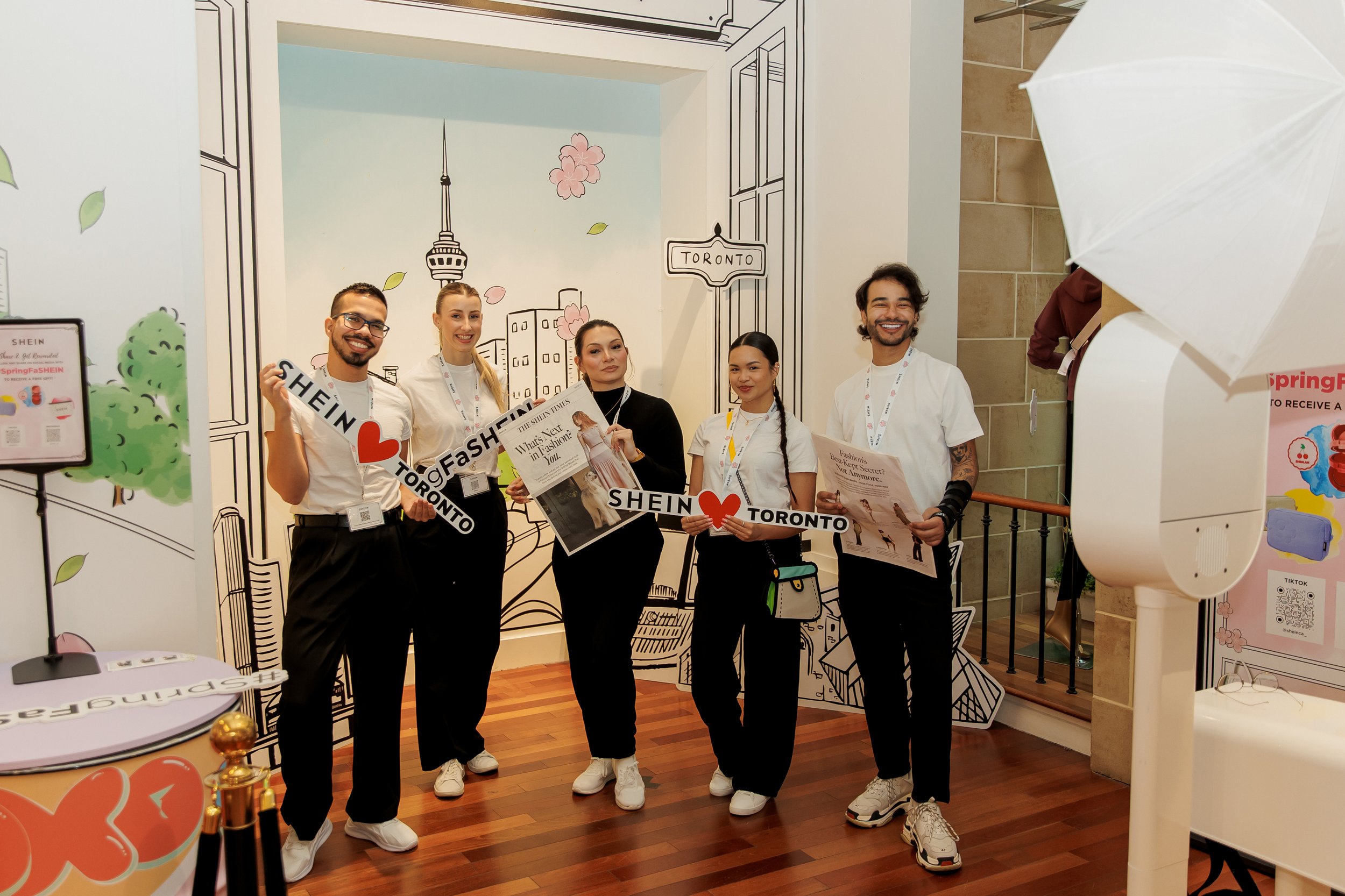
Driving attendance requires sophisticated event marketing that cuts through noise and compels action. Build integrated campaigns across multiple touchpoints to maximize registration.
90-60-30-7-1 Day Campaign Timeline
90 Days Out:
Launch save-the-dates to key audiences
Open early-bird registration with incentives
Secure speaker confirmations for promotional use
Begin content marketing campaign
Activate partner and sponsor promotion
60 Days Out:
Intensify email marketing frequency
Launch paid social and search campaigns
Announce full agenda and speaker lineup
Deploy sales team for personal outreach
Create FOMO with "limited seats" messaging
30 Days Out:
Implement retargeting campaigns for site visitors
Share attendee testimonials from past events
Highlight networking opportunities
Send personal invitations from executives
Launch final registration push
7 Days Out:
Send logistics emails to registered attendees
Create excitement with behind-the-scenes content
Final push to uncommitted prospects
Activate on-site staff as ambassadors
1 Day Out:
Final reminder with parking and arrival details
Share event app download instructions
Weather updates if relevant
Last-minute registration availability
Multi-Channel Promotion Tactics
Email Marketing Excellence:
Segment lists by industry, role, and engagement level
A/B test subject lines for optimal open rates
Include clear value propositions in every message
Use countdown timers for registration deadlines
Personalize content based on recipient interests
Social Media Strategy:
Create event-specific hashtags and monitor usage
Share speaker quotes and session teasers
Run LinkedIn ads targeting specific job titles
Host Facebook Live previews with speakers
Partner with attendees for user-generated content
Content Marketing Support:
Publish thought leadership articles on event themes
Create video trailers showcasing event highlights
Develop downloadable resources requiring registration
Guest post on industry publications
Launch a podcast series featuring speakers
Paid Advertising Optimization:
Google Ads targeting industry keywords
LinkedIn sponsored content to decision-makers
Facebook and Instagram for a broader reach
Retargeting pixels for website visitors
Industry publication display advertising
Registration Platform Optimization
Your event landing page and registration process directly impact conversion rates:
Landing Page Essentials:
Clear value proposition above the fold
Prominent registration buttons throughout
Social proof through testimonials and logos
Detailed agenda and speaker information
FAQ section addressing common concerns
Mobile-responsive design
Fast load times (under 3 seconds)
Registration Form Best Practices:
Minimize required fields to essentials only
Use progressive profiling for returning attendees
Offer group registration options
Include clear pricing and payment options
Send immediate confirmation emails
Provide calendar invitations upon completion
Partner and Influencer Activation
Leverage external networks to expand reach:
Recruit industry influencers as ambassadors
Provide partners with co-branded promotional materials
Offer exclusive partner discount codes
Create affiliate tracking for referrals
Feature partner logos to build credibility
6. Execution & On-Site Management
Flawless execution requires meticulous preparation and real-time adaptability. The final week and event day separate good events from exceptional ones.
Final Week Preparations
Vendor Confirmations:
Review final contracts and delivery schedules
Confirm arrival times and contact numbers
Walk through setup requirements
Verify equipment lists and backup plans
Discuss contingency procedures
Technology Testing:
Complete AV rehearsal with all presenters
Test all microphones and sound levels
Run through all presentation files
Verify streaming connections if applicable
Check event app functionality
Test registration and check-in systems
Staff Preparation:
Distribute detailed run-of-show documents
Assign specific roles and responsibilities
Review emergency procedures
Practice customer service scenarios
Confirm dress code and arrival times
Creating Your Run-of-Show
Develop a minute-by-minute event day checklist including:
Pre-Event (3 hours before):
Venue walk-through and setup verification
Technology systems check
Registration desk preparation
Signage placement confirmation
Catering setup and tastings
Security briefing
During Event:
Registration flow management
Session transitions and room resets
Speaker ready room coordination
Meal service timing
Social media monitoring and response
Attendee issue resolution
Post-Event:
Breakdown supervision
Lost and found collection
Final vendor payments
Staff debrief while fresh
Initial data collection
Communication Protocols
Establish clear communication channels:
Primary communication method (radios, phones, apps)
Chain of command for decisions
Emergency contact list for all vendors
Attendee communication scripts
Media response protocols
Live Engagement Strategies

Maintain energy and participation throughout:
Welcome attendees personally at registration
Use event apps for live polling and Q&A
Encourage social sharing with photo opportunities
Facilitate networking with structured activities
Monitor and respond to real-time feedback
Adjust programming based on audience energy
7. Post-Event Follow-Up & ROI Measurement
Your event's impact extends well beyond the closing remarks. Strategic follow-up and measurement transform one-time attendees into long-term advocates and customers.
Immediate Post-Event Actions (24-48 hours)
Thank You Communications:
Send personalized emails to all attendees
Include session recordings or presentation materials
Provide exclusive offers or next steps
Request initial feedback while memories are fresh
Share photo galleries and highlight videos
Data Collection Sprint:
Export all registration and attendance data
Compile session participation numbers
Gather social media metrics and mentions
Collect lead scanner and business card data
Document staff observations and feedback
Comprehensive Survey Strategy
Design post-event surveys that yield actionable insights:
Survey Best Practices:
Send within 48 hours for maximum response
Keep to 10-12 questions maximum
Mix rating scales with open-ended questions
Incentivize completion with prize drawings
Make mobile-friendly
Key Question Categories:
Overall satisfaction and likelihood to recommend
Session content quality and relevance
Speaker effectiveness ratings
Venue and logistics feedback
Networking value assessment
Future topic interests
Specific improvement suggestions
ROI Analysis Framework
Calculate tangible event ROI across multiple dimensions:
Revenue Impact:
Direct sales closed at event
Pipeline generated (leads × conversion rate × average deal size)
Customer retention improvement
Upsell opportunities created
Partner revenue influenced
Cost Savings:
Travel reduction through consolidated meetings
Training efficiency versus individual sessions
Content creation for future marketing use
Relationship building versus traditional sales calls
Brand Value:
Media coverage and PR value
Social media reach and engagement
Website traffic increases
Brand sentiment improvements
Thought leadership positioning
Executive Reporting
Create a post-event report that tells your success story:
Executive Summary:
Achievement of stated objectives
Key metrics dashboard
ROI calculation summary
Major successes and learnings
Recommendations for future events
Detailed Analysis:
Registration funnel performance
Attendance patterns by segment
Session engagement metrics
Survey results analysis
Budget variance report
Vendor performance assessments
Continuous Improvement Process
Transform insights into action:
Host team debrief within one week
Document all lessons learned
Update planning templates and checklists
Share feedback with vendors for improvement
Begin planning for next year based on insights
8. Common Mistakes & Pro Tips
Learning from others' experiences accelerates your path to event planning best practices. Here are the most common pitfalls and how to avoid them.
Critical Planning Mistakes
Underestimating True Costs:
Hidden fees in venue contracts (service charges, setup fees)
Technology rental extras (cables, operators, backup equipment)
Overtime charges for union venues
Shipping and drayage expenses
Pro Tip: Request fully itemized quotes and build 15% buffer beyond contingency
Scope Creep:
Adding "small" requests that compound complexity
Changing core elements after vendor contracts
Expanding attendance without adjusting resources
Pro Tip: Establish change order processes requiring budget impact analysis
Poor Communication Flows:
Unclear ownership of decisions
Information silos between teams
Assuming versus confirming details
Pro Tip: Use project management platforms with all stakeholders included
Risk Mitigation Strategies
Develop comprehensive contingency planning:
Technology Failures:
Backup equipment for all critical systems
Printed materials if digital fails
Local copies of all presentations
Manual registration backup process
Alternative communication methods
Weather and Transportation:
Indoor backup plans for outdoor elements
Travel disruption communication protocols
Virtual attendance options ready
Extended hotel blocks for stranded attendees
Health and Safety:
Medical personnel or protocols on-site
Allergy and dietary restriction management
Emergency evacuation procedures
Security threat protocols
Insurance coverage verification
Contract Negotiation Wisdom
Protect your interests through smart contracting:
Attrition Clauses: Negotiate percentage-based rather than fixed minimums
Force Majeure: Ensure coverage for "acts of God" and define clearly
Cancellation Terms: Sliding scale based on notice period
Performance Standards: Include specific SLAs with remedy provisions
Intellectual Property: Clarify ownership of event content and recordings
9. Partner with Experts for Flawless Execution

Planning and executing a successful corporate event requires expertise across multiple disciplines, from strategic planning and budget management to on-site coordination and post-event analysis. While this guide provides a comprehensive roadmap, the difference between a good event and an exceptional one often comes down to having the right team in place when it matters most.
The most challenging aspect of corporate event planning isn't knowing what needs to be done, but it's ensuring you have sufficient, qualified staff to execute flawlessly across every touchpoint. From registration desk personnel who create positive first impressions to technical coordinators who prevent AV disasters, your staffing decisions directly impact attendee experience and event ROI.
Why Professional Event Staffing Matters
Even with meticulous planning, understaffing or hiring inexperienced personnel creates cascading problems: registration bottlenecks that frustrate attendees, session transitions that run long and disrupt your schedule, unattended networking areas that miss engagement opportunities, and overwhelmed coordinators who can't respond quickly to issues. These operational gaps undermine even the best content and can damage your organization's reputation.
Professional event staffing partners bring more than warm bodies. They provide trained professionals who understand event dynamics, anticipate challenges, and maintain composure under pressure. The right staffing partner becomes an extension of your team, representing your brand with professionalism and ensuring every attendee interaction reflects your commitment to excellence.
Ready to Elevate Your Next Corporate Event?
Magnetic Staffing specializes in providing experienced, professional event staff who transform good events into unforgettable experiences.
Whether you need registration coordinators, technical support, hospitality staff, or comprehensive event management teams, we deliver qualified professionals who understand the corporate event environment and are committed to your success.
Our rigorous screening process, industry-specific training, and proven track record mean you can focus on strategy and content while we ensure flawless operational execution. From intimate executive gatherings to large-scale conferences, Magnetic Staffing provides the talented professionals who bring your vision to life.
Contact Magnetic Staffing today to discuss your upcoming corporate event needs and discover how our experienced team can help you deliver an event that exceeds expectations, drives measurable results, and leaves a lasting positive impression on every attendee.