In today's experience-driven economy, brands can no longer rely on ads alone. Customers want a human connection. That's where the brand ambassador comes in. Acting as the enthusiastic face of a company, a brand ambassador sparks conversations, builds trust, and turns everyday interactions into powerful word-of-mouth marketing. This page breaks down what a brand ambassador is, how the role differs from similar titles, the measurable value ambassadors deliver, and how your organization can leverage them at events, online, and beyond.
Brand Ambassador Definition
A brand ambassador is a paid or unpaid advocate who represents and promotes a company's products, services, and values to targeted audiences (both face-to-face and online). Whether a celebrity, employee or everyday fan, the ambassador embodies the brand's personality, educates prospects, and creates positive sentiment that drives awareness, engagement and sales.
The brand ambassador definition encompasses several key traits that separate effective advocates from casual promoters:
Authenticity: Genuine passion for the brand that translates into credible recommendations
Enthusiasm: Infectious energy that draws people in and creates memorable interactions
Product Knowledge: Deep understanding of offerings to answer questions confidently
Strong Communication Skills: Ability to engage diverse audiences across multiple channels
Brand ambassadors operate across various channels, including live events, retail demos, social media, community forums, and referral programs. Compensation models vary widely (from hourly pay and commission structures to free products and exclusive experiences) that create mutual value for both brand and advocate.
Brand Ambassador vs. Brand Representative vs. Promotional Model
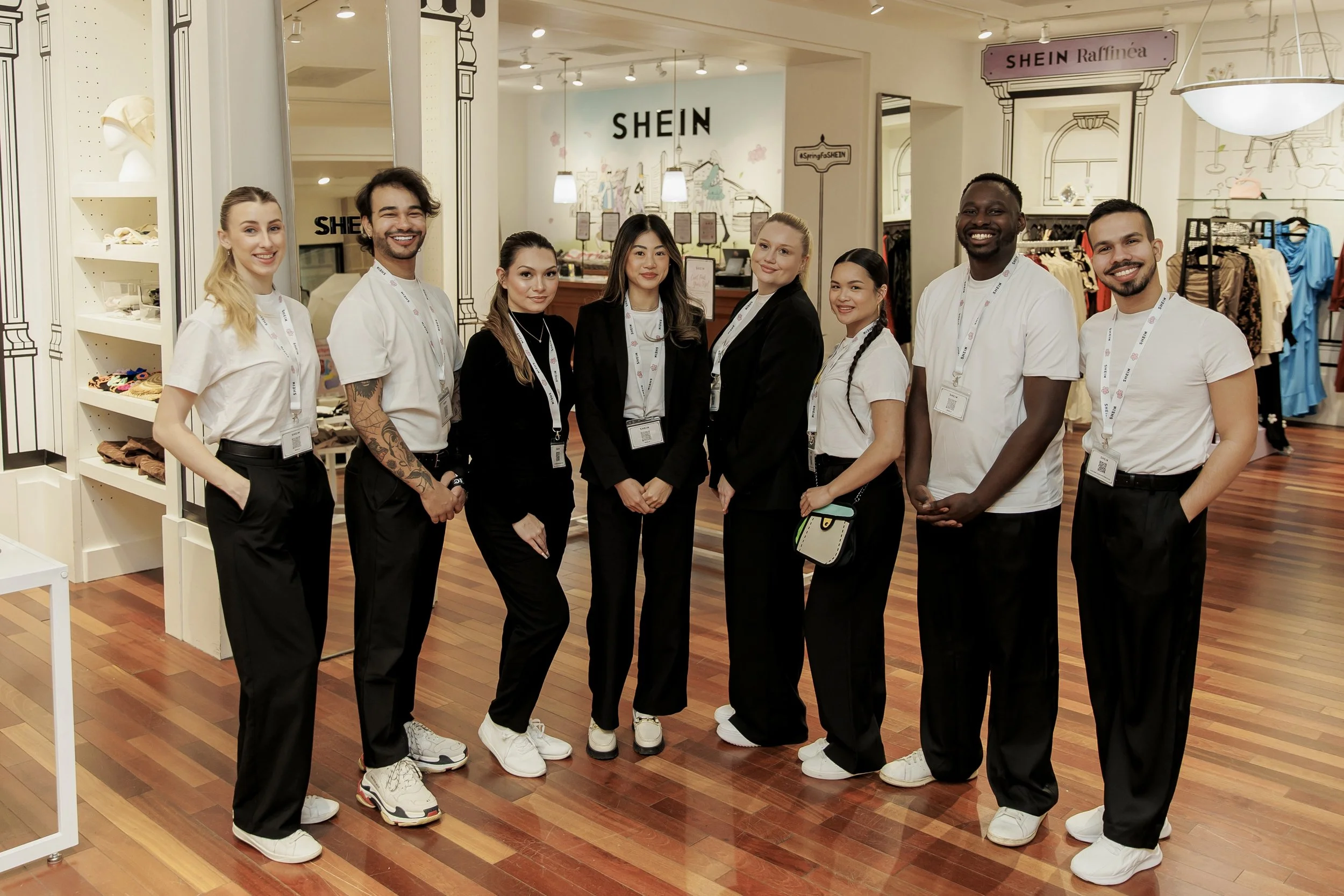
Although often used interchangeably, each title has subtle distinctions companies should understand when staffing campaigns:
Brand Ambassador: A long-term advocate who embodies the brand across multiple touchpoints. These individuals maintain ongoing relationships with the company, deeply understand its values, and represent the brand consistently across various campaigns and channels. They often have decision-making authority about how to best represent the brand in different situations.
Brand Representative: Similar to an ambassador but may connote entry-level, network-driven promotion. Brand representatives (or "brand reps") typically focus on personal networks and social media promotion. While they share the ambassador's enthusiasm, their role often involves more structured tasks with less strategic input.
Promotional Model: Short-term talent hired mainly for visual presence at a specific event or product launch. Unlike brand ambassadors who engage in meaningful conversations and relationship-building, promotional models primarily attract attention through appearance and basic product distribution. Their involvement rarely extends beyond the immediate event.
The key differentiator lies in relationship depth and duration. Brand ambassadors maintain ongoing partnerships focused on authentic engagement, while promotional models provide event-specific support without long-term brand investment. Brand ambassador vs brand representative distinctions often blur in practice, but understanding these nuances helps companies select the right talent for specific campaign objectives.
Choosing the right role depends on campaign length, depth of engagement required and KPI complexity. For single-day product launches, promotional models may suffice. For sustained market penetration requiring authentic peer-to-peer advocacy, invested brand ambassadors deliver superior results.
Core Responsibilities of a Brand Ambassador
Face-to-Face Engagement
At the heart of every brand ambassador role lies direct human interaction. Ambassadors greet attendees at trade shows, conduct product demonstrations at pop-ups, distribute samples at retail activations, and answer questions with enthusiasm and expertise. Unlike static displays or digital ads, ambassadors create dynamic exchanges that transform casual encounters into memorable brand experiences.
Professional brand ambassador responsibilities during live events include managing booth traffic flow, identifying high-value prospects, adapting messaging for different audience segments, and maintaining energy throughout long event days. The best ambassadors read body language, adjust their approach accordingly, and know when to engage deeply versus when to keep interactions brief and impactful.
Brand Representation
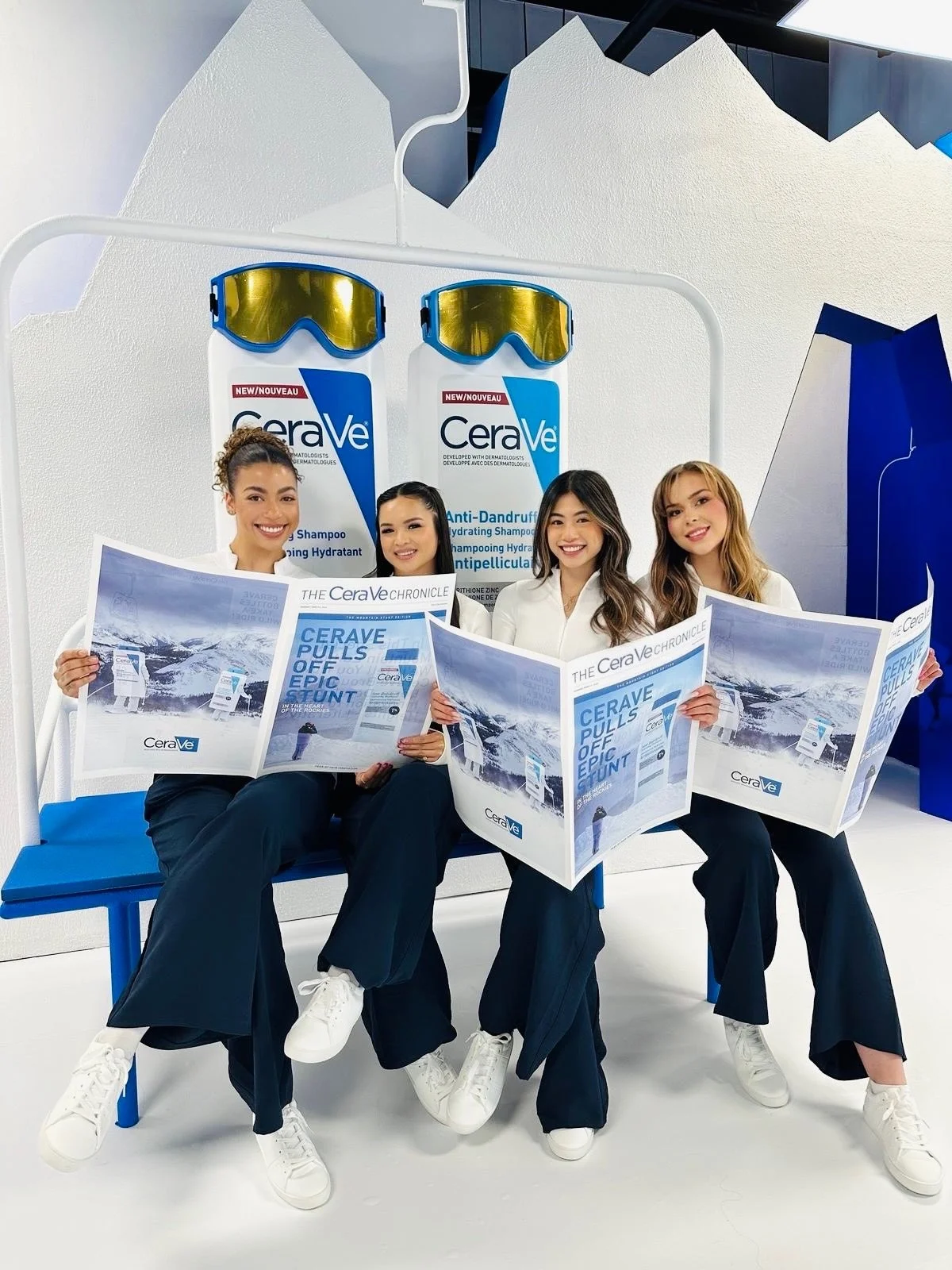
Ambassadors serve as living embodiments of company values and culture. They wear branded apparel with pride, consistently communicate key messages, and personify the brand's personality in every interaction. This representation extends beyond scripted talking points and effective ambassadors internalize the brand story and share it naturally through their own authentic lens.
Consistency proves critical here. Whether at a music festival, corporate conference, or retail environment, ambassadors must deliver the brand promise uniformly while adapting their style to each unique setting. They become the face that customers remember long after the event ends.
Digital Content & Social Outreach
Modern brand ambassadors bridge physical and digital experiences seamlessly. They create posts, stories, live streams and blogs that extend event reach exponentially. A single ambassador might capture behind-the-scenes content at a trade show booth, live-tweet key moments from a product launch, or produce Instagram stories that showcase real-time customer reactions.
This content creation serves dual purposes: amplifying immediate event impact and building long-term brand narrative. Smart companies provide ambassadors with content guidelines and hashtag strategies while encouraging authentic creativity that resonates with their personal followers.
Driving KPIs
Beyond creating positive experiences, ambassadors directly impact measurable business outcomes. They collect qualified leads at events, generate thousands of brand impressions through their networks, boost email sign-ups through compelling conversations, distribute product samples strategically, and influence purchase decisions at critical moments.
Professional ambassador KPIs typically include metrics like cost per lead, social media reach, engagement rates, sample distribution numbers, and direct sales attribution. The most successful programs tie ambassador compensation to these performance indicators, creating alignment between individual effort and business results.
Feedback & Market Intelligence
Ambassadors occupy a unique position at the intersection of brand and customer. They capture invaluable customer insights through natural conversation, identify emerging market trends before they hit mainstream radar, and report competitive intelligence from the field. This real-time feedback loop helps marketing teams refine messaging, product teams prioritize features, and leadership teams understand market dynamics.
Smart brands create structured feedback systems (post-event debriefs, weekly insight reports, and dedicated communication channels) to capture and act on ambassador intelligence systematically.
Relationship Building

Perhaps most importantly, ambassadors nurture long-term connections that transcend transactional interactions. They remember returning customers at events, follow up with interested prospects after initial meetings, and create community among brand enthusiasts. This relationship focus transforms one-time encounters into ongoing brand advocacy that compounds over time.
Through genuine customer engagement, ambassadors build trust that no amount of traditional advertising can replicate. They become familiar faces customers seek out at events and trusted voices in online communities.
Why Companies Use Brand Ambassadors: 7 Key Benefits
Expanded Reach & Awareness
Brand ambassadors tap into personal networks and social followings to expose new audiences to your brand. When an ambassador with 5,000 engaged followers shares content, it reaches people who might never encounter traditional advertising. This organic expansion proves especially valuable for reaching niche communities or breaking into new demographics where the brand lacks established presence.
The network effect multiplies impact exponentially. Each ambassador connection who reshares content extends reach further, creating ripple effects that traditional marketing struggles to achieve cost-effectively.
Higher Trust & Credibility
Peer recommendations consistently outperform branded messages in driving purchase decisions. Research shows 61% of Gen Z and millennials trust social media influencers for product information. This trust gap reflects fundamental changes in how consumers evaluate brands. They seek authentic voices over polished corporate messaging.
Brand ambassadors bridge this trust gap by providing genuine, experience-based recommendations. Their personal stake in maintaining credibility with their own networks ensures authentic advocacy that resonates deeply with audiences.
Deeper Audience Engagement
Interactive demonstrations and genuine conversations produce dramatically higher engagement than passive advertising. While display ads might capture attention for seconds, ambassador interactions often last minutes (creating space for meaningful connection and education). Studies show micro-influencer ambassadors can drive up to 60% higher engagement rates than celebrity endorsements, proving that authentic connection trumps raw reach.
At events, ambassadors transform booth visits from obligatory badge scans into memorable experiences that attendees actively seek out and share with colleagues.
Strong ROI
The numbers speak volumes about ambassador ROI. Recent industry surveys show 90% of brands receive positive returns from ambassador programs, often exceeding traditional advertising efficiency. Real-world examples demonstrate this impact: music festivals report 2,400% ROI from fan ambassador programs, while Lights All Night festival generated $1.5 million in ticket sales directly through ambassador referrals.
These returns reflect both direct sales impact and reduced customer acquisition costs. When existing fans become advocates, the authenticity of their recommendations dramatically improves conversion rates while eliminating traditional advertising expenses.
Boosted Loyalty & Repeat Purchases
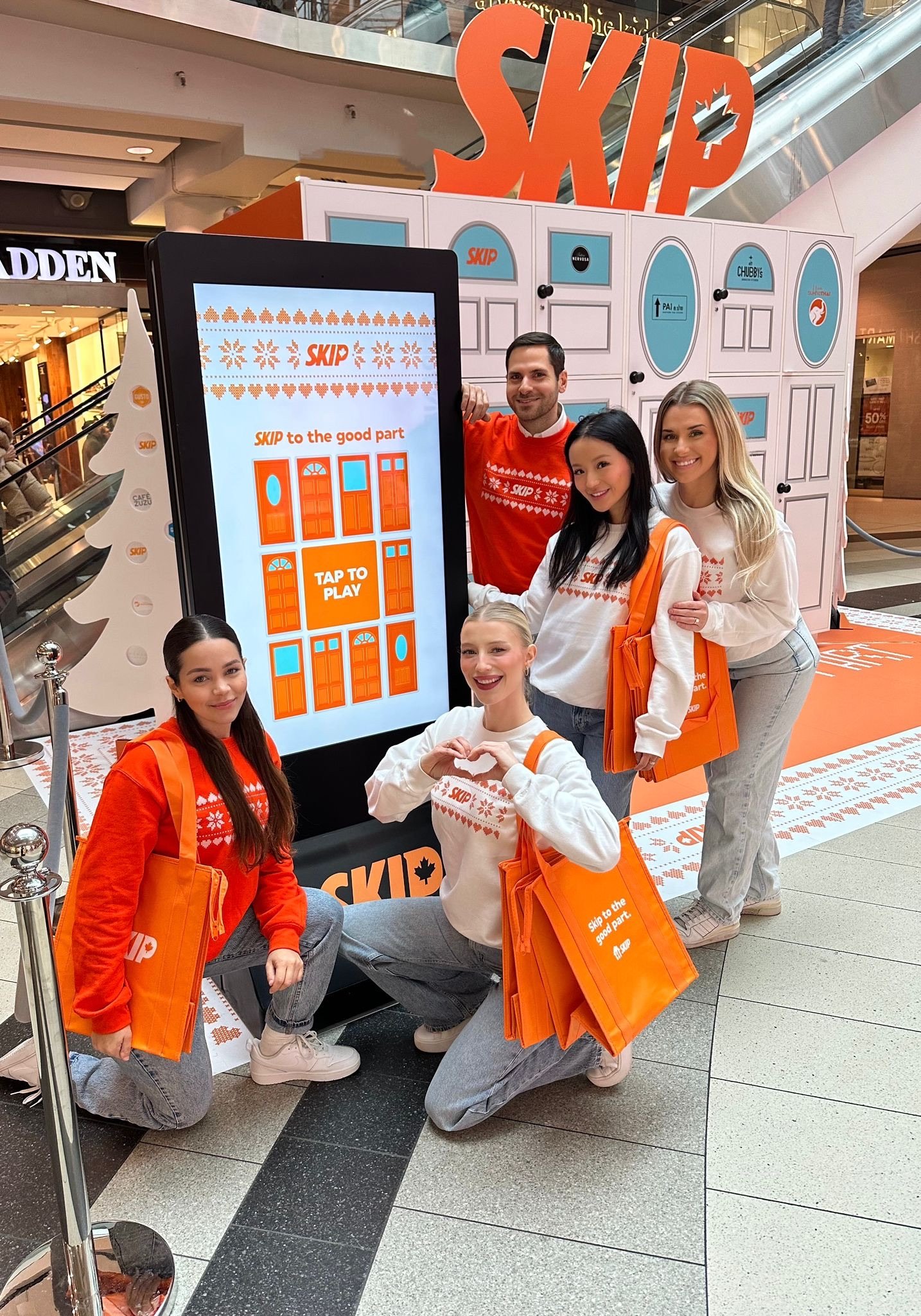
Personal relationships fostered by ambassadors create lasting brand affinity that transcends individual transactions. Customers who connect with an enthusiastic ambassador at an event often become long-term advocates themselves. This loyalty cascade effect (where satisfied customers become informal ambassadors) provides compounding returns over time.
Studies indicate that customers acquired through word-of-mouth marketing have 16% higher lifetime values than those acquired through paid channels, demonstrating the lasting impact of ambassador-driven relationships.
Humanizing the Brand
In an increasingly digital world, face-to-face interactions provide irreplaceable human connection. Ambassadors make complex products accessible through patient explanation, technical brands approachable through friendly conversation, and corporate entities relatable through personal stories. This humanization proves especially critical for B2B companies or technical products that struggle to connect emotionally with audiences.
Recent trends show even AI and tech companies investing heavily in pop-up experiences and ambassador programs, recognizing that human connection builds trust in ways digital channels cannot replicate.
Community Building
Ambassador networks naturally evolve into vibrant brand communities that sustain momentum between campaigns. These communities provide peer support for product questions, generate user content organically, and create social proof that influences purchase decisions. Unlike manufactured communities, ambassador-led groups develop authentic cultures that reflect genuine enthusiasm rather than corporate direction.
Successful programs transform customers into cheerleaders who actively recruit new community members, creating self-sustaining growth engines that require minimal ongoing investment.
Types of Brand Ambassadors
Celebrity Ambassadors: High-profile partnerships deliver mass exposure through established star power. Beyoncé's multi-year Pepsi partnership, George Clooney's Nespresso representation, and Taylor Swift's Apple Music advocacy demonstrate how celebrity associations can transform brand perception overnight. These partnerships work best for brands seeking broad market penetration or cultural relevance.
Influencer Ambassadors: Niche creators with loyal followings provide targeted reach and high engagement within specific communities. These ambassadors (ranging from micro-influencers with 10,000 followers to macro-influencers with millions) offer more accessible partnership opportunities than celebrities while maintaining strong audience trust.
Campus & Community Ambassadors: Local advocates activate regional markets through grassroots engagement. Student ambassadors penetrate university communities, neighborhood champions build local presence, and community leaders provide cultural credibility. These programs excel at creating authentic local connections that national campaigns struggle to achieve.
Employee Ambassadors: Staff members who organically promote company products and culture provide uniquely credible advocacy. Their insider knowledge, genuine enthusiasm, and personal investment in company success create powerful ambassadorship opportunities. Forward-thinking companies formally recognize and support employee advocacy through training, tools, and incentives.
Fan Ambassadors: Passionate customers transformed into official advocates combine authentic enthusiasm with structured support. These programs recognize existing brand champions, providing them with exclusive access, early product releases, or other incentives that deepen their connection while amplifying their natural advocacy.
Real-World Examples of Successful Brand Ambassador Programs
Beverage Giant x Pop Icon
Beyoncé's multi-year partnership with Pepsi transcended traditional celebrity endorsement. The collaboration combined TV spots showcasing her creative vision, social content that felt authentic to her personal brand, and exclusive performances that created cultural moments. During active campaign windows, Pepsi reported double-digit sales lifts in target demographics, proving that strategic ambassador partnerships can drive immediate business impact while building long-term brand equity.
Music Festival Fan Program
Lights All Night music festival revolutionized ticket sales by empowering 1,000 superfans as official ambassadors. Using personalized referral links and exclusive content, these fans generated 22 million social impressions organically. The program achieved 2,400% ROI with $1.5 million in directly attributable ticket sales, demonstrating how fan passion can be channeled into measurable business results.
Tech Company Campus Reps
A leading SaaS provider deployed student ambassadors across 50 universities to penetrate the notoriously difficult higher education market. These ambassadors hosted lunch-and-learns, provided peer training, and generated 15,000 qualified leads that converted at 3x the rate of traditional marketing leads. The program's success led to expansion into 200 additional campuses, proving the scalability of well-designed ambassador initiatives.
These examples demonstrate that successful brand ambassador programs share common elements: clear objectives, authentic advocate selection, structured support systems, and measurable outcomes that justify continued investment.
How to Build a High-Impact Brand Ambassador Program

Set SMART Goals & KPIs
Define specific, measurable objectives before recruiting your first ambassador. Whether targeting 10,000 event impressions, 500 qualified leads, or $50,000 in attributable sales, clear goals guide every subsequent decision. Establish both activity metrics (posts shared, events attended) and outcome metrics (leads generated, sales influenced) to track program health comprehensively.
Identify Ideal Ambassadors
Look beyond follower counts to find advocates whose values, personality, and audience align with your brand. The best ambassadors demonstrate existing brand affinity, possess natural communication skills, and maintain authentic connections with communities you want to reach. Create detailed ambassador personas that guide recruitment efforts.
Craft Compelling Incentives
Successful programs balance monetary compensation with experiential rewards. While hourly rates or sales commissions provide tangible value, exclusive experiences, early product access, and professional development opportunities often prove equally motivating. Consider tiered incentive structures that reward both effort and results.
Provide Training & Resources
Equip ambassadors for success through comprehensive onboarding that covers brand history, product details, key messaging, and practical skills. Supply physical tools like branded apparel and product samples alongside digital resources including content templates, hashtag guides, and approved messaging frameworks. Regular training updates keep ambassadors engaged and effective.
Leverage Technology
Modern ambassador software streamlines program management significantly. Platforms enable task assignment and tracking, provide unique referral links for attribution, automate reward distribution, and consolidate performance analytics. These tools transform what could be administrative nightmares into scalable, data-driven programs.
Monitor & Optimize
Review performance data weekly to identify trends and opportunities. Recognize top performers publicly to maintain motivation. Gather ambassador feedback regularly to refine program elements. Use A/B testing on incentive structures, content strategies, and event tactics to continuously improve results. Programs that stagnate quickly lose ambassador enthusiasm and market impact.
Measuring Success: Metrics & Tools
Effective measurement separates professional ambassador programs from hope-based marketing. Track both quantitative and qualitative indicators to understand full program impact.
Quantitative Metrics
Monitor impressions generated across all channels, unique reach achieved through ambassador networks, click-through rates on shared content, coupon or promo code redemptions, and directly attributable sales revenue. These hard numbers justify program investment and guide optimization efforts.
Qualitative Measures
Analyze sentiment in ambassador-generated content and comments, collect customer feedback about ambassador interactions, monitor online reviews mentioning ambassador experiences, and track brand perception shifts in target demographics. These softer metrics often predict future quantitative success.
Essential Tools
Implement UTM tracking on all ambassador-shared links to attribute traffic accurately. Deploy QR codes at events for seamless digital connection. Use social listening tools to monitor brand mentions and sentiment. Invest in dedicated ambassador management apps that centralize recruitment, communication, task management, and performance tracking in unified platforms.
Regular reporting cadences (weekly performance snapshots, monthly trend analyses, and quarterly strategic reviews) ensure programs remain aligned with evolving business objectives while maintaining ambassador engagement.
Frequently Asked Questions
What qualifications do brand ambassadors need?
While formal education isn't mandatory, strong communication skills, authenticity and a genuine passion for the brand are essential. The best ambassadors combine natural enthusiasm with professionalism, reliability, and social media savvy. Many successful ambassadors start as satisfied customers who understand the brand deeply through personal experience.
How much do brand ambassadors cost?
Rates range from product-only compensation for micro-ambassadors to six-figure deals for celebrities. Most event ambassadors earn $20-$40 per hour, with experienced professionals commanding $50-$75 hourly rates. Factor in additional costs like training time, travel expenses, and management overhead when budgeting programs.
How long should a brand ambassador contract last?
Typical agreements span three months to one year, allowing time to build familiarity and measure impact. Shorter contracts work for specific campaigns or events, while longer partnerships enable deeper brand integration and community building. Include performance-based renewal clauses to maintain quality while providing stability.
Ready to Power Your Next Event With Trained Brand Ambassadors?
Transform your upcoming trade show, pop-up or product launch with professional brand ambassadors who bring energy, expertise and authentic enthusiasm to every interaction. Book a discovery call today to see how our vetted ambassadors can elevate your event presence and drive measurable results.