Brand Activation Meaning: The Complete 2026 Marketer's Guide
Your brand lives or dies by the experiences you create, and activation is how you spark life. In a market where traditional advertising faces declining engagement rates and consumers demand authentic connections, brand activation has become the critical differentiator between brands that thrive and those that merely survive. Global experiential marketing spend reached $128.35 billion in 2024, signaling a fundamental shift: marketers now recognize that passive messaging no longer cuts through the noise.
Brand activation transforms observers into participants through carefully orchestrated experiences that bring your brand's personality to life. Whether through immersive pop-ups, strategic sampling campaigns, or digital experiences that blur online and offline boundaries, activation creates the emotional connections that drive measurable business outcomes. This guide breaks down exactly what brand activation means, why it matters for your bottom line, and how to execute campaigns that convert.
You'll discover the core principles that separate successful activations from expensive failures, explore proven activation types with real-world applications, and learn the measurement frameworks that demonstrate ROI. From planning your first campaign to optimizing based on performance data, this guide provides the strategic foundation and tactical insights you need to activate your brand effectively in 2025.
Quick Decision Snapshot
Who needs activation: New product launches requiring trial conversion, stagnant brands needing relevance renewal, companies seeking loyalty beyond transactions
Typical investment: 5–15% of total campaign budget, scaling with market size and activation complexity
Key outcomes: 74% of consumers more likely to purchase after brand events (EventTrack), 66% feel more positive about brands after live interactions (EventTrack 2025), 40% of participants report increased brand loyalty (EventTrack)
Main risk: Executing creative concepts without establishing clear KPI tracking and measurement protocols
Agency vs. DIY: Agencies provide specialized expertise, liability insurance, proven measurement tools, and scaled execution capabilities
TL;DR
Brand activation creates live or digital experiences that transform passive observers into active brand participants
Successful activations drive purchase intent and deepen loyalty through emotional engagement
Campaign success requires clear objectives, immersive creativity, operational rigor, and systematic measurement
What Is Brand Activation?
Brand activation brings brands to life through direct consumer experiences that engage people with your story, personality, and values. Unlike traditional advertising's one-way communication, activation creates memorable interactions where consumers touch, taste, try, or interact with your brand firsthand. This strategic execution of marketing initiatives uses immersive experiences, events, and interactions to foster brand awareness, emotional connections, and specific consumer actions like product trials and loyalty building.
The brand activation definition centers on participation over passive consumption. When you activate a brand, you create environments where people experience rather than observe. A technology company might create an interactive installation where visitors test new features. A beverage brand might design a sensory tasting experience that highlights flavor profiles. A fashion label might produce a runway show where attendees become models. Each activation transforms marketing from telling to doing.
Core Principles
Sensory immersion drives memorable activations. Successful campaigns engage multiple senses simultaneously: the sound of a product opening, the texture of materials, the visual impact of design, even signature scents that trigger memory. This multi-sensory approach creates experiences that stick in consumers' minds far longer than traditional advertisements.
Emotional storytelling connects brand values to personal experiences. Rather than listing product features, activations create narratives that participants live through. An outdoor gear brand might simulate adventure challenges. A luxury car manufacturer might design a driving course that demonstrates performance. These stories make abstract brand promises tangible and believable.
Clear call-to-action differentiates activation from entertainment. Every experience must guide participants toward specific behaviors: signing up for communications, making purchases, sharing content, or joining loyalty programs. Without defined actions, even the most creative activation becomes merely an expensive spectacle.
Integrated physical and digital touchpoints extend activation impact beyond the moment. QR codes link physical experiences to digital content. Social sharing stations amplify reach. Mobile apps continue engagement after participants leave. This integration multiplies the value of each activation by creating ongoing connection opportunities.
Types of Brand Activations

Brand activation takes many forms, each suited to different objectives and audiences. Understanding these categories helps select the right approach for your goals.
Experiential Events
Live or virtual experiences immerse participants in your brand world through pop-up shops, interactive installations, or branded festivals. These multi-sensory environments let consumers explore products naturally while creating shareable moments. Technology brands might build innovation labs where visitors test unreleased products. Food brands might create tasting journeys that highlight ingredient sources.
Sampling Campaigns
Product trials remain one of the most effective activation tactics, particularly for consumer goods launches. Strategic sampling goes beyond simple handouts: it creates moments of discovery through unexpected locations, perfect timing, and complementary experiences. Beauty brands might offer mini-makeovers with samples. Beverage brands might create refreshment stations at fitness events.
Influencer Collaborations
Partnering with trusted voices amplifies activation reach through authentic advocacy. Live meet-and-greets, co-hosted experiences, or influencer-led workshops combine personal connection with extended digital reach. Fashion brands might host styling sessions with fashion influencers. Tech companies might create coding workshops led by developer advocates.
Guerrilla Marketing Stunts
Creative installations or performances in unexpected public spaces generate organic buzz through surprise and delight. Street art revealing products, flash mobs demonstrating benefits, or interactive urban installations cost less than traditional media while generating more engagement. Athletic brands might transform bus stops into mini gyms. Entertainment brands might stage unexpected performances in transit stations.
Digital and Hybrid Experiences
Online activations through AR filters, virtual events, or gamified experiences reach audiences anywhere while maintaining interactivity. Hybrid approaches blend physical and digital: scanning products unlocks digital content, attending events earns virtual rewards. Retail brands might create virtual try-on experiences. Gaming brands might build real-world quests with digital prizes.
Loyalty Programs and Contests
Rewarding existing customers through experiential benefits deepens relationships beyond transactional loyalty. Exclusive events, early access experiences, or co-creation opportunities make customers feel valued. Hospitality brands might offer cooking classes with celebrity chefs. Automotive brands might provide track day experiences for owners.
Why It Matters for Your Brand
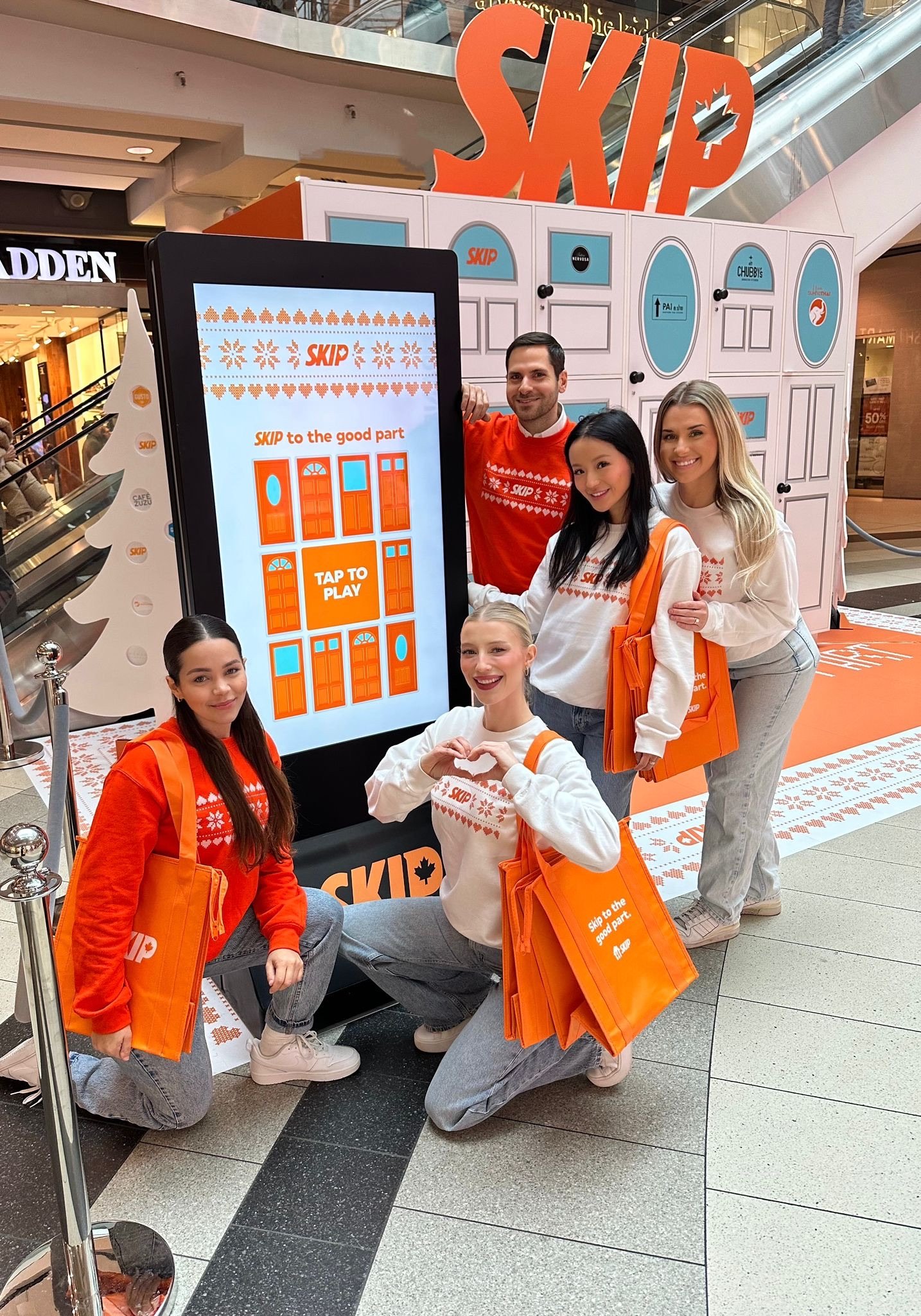
Brand activation delivers measurable value that traditional advertising struggles to match. The impact spans from immediate sales uplift to long-term loyalty building, with data consistently showing superior performance across key marketing metrics.
Emotional Connections and Loyalty
Experiential interactions forge bonds that passive advertising cannot create. According to EventTrack, 40% of activation participants report increased brand loyalty after engaging with brands at events, and 67% actively recommend brands after positive experiences. This loyalty translates directly to lifetime customer value: activated customers spend more, purchase more frequently, and resist competitive offers more effectively than those reached through traditional channels.
The emotional impact stems from personal investment. When consumers actively participate in brand experiences, they create their own stories and memories tied to your brand. These self-generated connections prove far more durable than externally imposed messages. Additionally, 85% of marketers report that experiential marketing enhances brand loyalty more effectively than any other channel.
Awareness and Memory Recall
Brand activation cuts through information overload by creating distinctive moments. Research shows that 66% of consumers feel more positive about a brand after interacting with it at a live event (EventTrack 2025), with 77% reporting significantly increased trust in the brand following that interaction (Freeman). This enhanced positivity and trust directly impacts purchase decisions: awareness drives consideration, and consideration drives sales.
The memorability advantage comes from active participation. When people physically interact with products, solve challenges, or create content, they encode memories more deeply than when passively viewing advertisements. Brain science confirms that multi-sensory experiences combined with physical movement create the strongest memory pathways.
Sales Uplift and ROI Proof
Activation campaigns generate tangible business results. EventTrack research shows 74% of consumers become more likely to purchase after engaging with brands at events. Real-world results back this up: fitness brand Bala Bangles reached $20 million in annual revenue following their Shark Tank appearance and the at-home fitness boom it coincided with, demonstrating how well-executed brand activation paired with strong timing can accelerate growth dramatically.
The ROI advantage extends beyond immediate sales. Half of marketers believe live events deliver higher ROI than other channels because engaged audiences convert at higher rates and generate valuable data. With proper measurement systems, brands can track everything from immediate conversions to long-term customer value increases. The $128.35 billion global investment in experiential marketing for 2024 reflects this proven return potential.
Measuring Success
Modern activation campaigns generate rich data enabling continuous improvement. Measurement starts before launch and continues beyond completion.
Planning Your Activation Campaign

Set objectives and KPIs first. Define specific, measurable goals before developing creative concepts. Common objectives include generating qualified leads (with target numbers), driving product trials (with conversion expectations), building email databases (with quality parameters), or increasing social reach (with engagement benchmarks). Each objective needs corresponding KPIs: attendance targets, conversion rates, cost per acquisition, or engagement metrics. Clear objectives prevent activations from becoming expensive entertainment without business impact.
Know your audience and insight triggers. Deep audience understanding drives relevant experiences. Beyond demographics, identify psychographic triggers: what motivates participation, what barriers prevent engagement, what emotions drive sharing. Research where your audience naturally gathers, what experiences they value, and how they prefer to interact with brands. These insights shape everything from location selection to interaction design.
Develop creative concept and channel mix. Creative development starts with strategic alignment: concepts must deliver against objectives while resonating with audiences. The best activations balance spectacle with substance, ensuring memorable experiences drive desired actions. Channel selection follows concept development. Determine whether physical, digital, or hybrid execution best reaches your audience and achieves your goals.
Address logistics, compliance, and risk management. Venue permits, insurance requirements, safety protocols, and contingency plans require early attention. Staff training ensures consistent brand representation. Technology testing prevents embarrassing failures. Weather contingencies protect outdoor events. Legal compliance varies by location. Research requirements thoroughly and engage professional activation support where needed to navigate these complexities.
Pre-Event Benchmarks
Establish baseline metrics before activation launch. Current brand awareness levels, purchase intent scores, and social engagement rates provide comparison points. Set realistic targets based on similar campaign performances, adjusting for variables like market size, season, and competitive activity. Document all assumptions to enable accurate post-campaign analysis.
In-Event Metrics
Real-time measurement enables immediate optimization. Track foot traffic patterns, dwell time at different stations, and participation rates across activities. Digital integration through badge scans, QR codes, or mobile apps captures individual journey data. Social listening identifies sentiment and sharing patterns. Staff observations note qualitative insights technology might miss.
Post-Event Analysis and ROI Calculation
Comprehensive analysis compares results to objectives across all KPIs. Direct metrics include leads generated, sales attributed, and cost per outcome. Indirect benefits encompass brand lift, social reach amplification, and content asset creation. Calculate ROI by dividing total value generated by total investment, including both hard costs and soft benefits. Remember that activation impact extends beyond immediate results: track longer-term metrics like customer lifetime value increases.
Variables affecting results include city demographics, seasonal timing, audience size, competitive noise, and technology adoption rates. Document these factors to improve future campaign planning and set appropriate expectations.
Scenario Snapshot: Pop-Up Beverage Launch

A craft beverage brand allocated $75K for a three-day pop-up activation targeting health-conscious millennials in Austin. Objectives included distributing 5,000 samples, capturing 2,000 email addresses, and generating 10,000 branded hashtag uses while establishing local market presence.
The activation featured a wellness oasis design with Instagram-worthy murals, complimentary yoga sessions, and personalized flavor consultations. Local fitness influencers hosted morning sessions, creating authentic content. QR-code-enabled sampling stations tracked individual preferences while building email lists. A custom AR filter lets visitors share virtual product experiences.
Results exceeded targets across all metrics. The activation distributed 5,400 samples, captured 2,400 email addresses with 67% opting into ongoing communication, and generated 12,300 hashtag posts reaching 1.8 million users. Regional sales increased 8% in the following quarter, with 34% of new customers citing the activation as their introduction to the brand.
Key success factors included the sensory hook of flavor customization, strategic influencer integration that felt authentic rather than promotional, and seamless digital tracking that enhanced rather than interrupted the experience. The wellness positioning aligned perfectly with both product attributes and audience values, while the Austin location provided an innovation-friendly, social media-savvy audience eager to discover new brands.
How We Help You Activate
Professional activation expertise transforms good ideas into exceptional results. Our team brings proven experience across strategy development, creative concepting, operational execution, and performance measurement. We maintain nationwide partnerships for venue selection, permitting, and staffing while our in-house creative team designs experiences that align with your brand standards.
Our measurement framework goes beyond basic metrics, incorporating advanced analytics that demonstrate true ROI. From pre-campaign audience research through post-activation optimization recommendations, we provide comprehensive support that maximizes your investment. Our insurance coverage and compliance expertise protect your brand while our experienced staff ensures flawless execution.
Whether you need full-service activation management or strategic consultation for internal execution, our modular service approach adapts to your needs. Explore our services and discover how professional activation amplifies your impact.
Ready to build something memorable? Contact us today and launch your next brand activation and turn your marketing investment into lasting brand equity.
Frequently Asked Questions
What is the difference between brand activation and experiential marketing?
Brand activation encompasses all activities that bring brands to life through consumer interaction, while experiential marketing specifically refers to immersive event-based strategies. Experiential marketing is one type of brand activation, alongside sampling, influencer partnerships, and digital interactions.
How long should an activation run?
Activation duration depends on objectives and format. Pop-ups typically run 1–7 days, touring campaigns span 2–12 weeks, and digital activations might extend 4–8 weeks. The key is maintaining energy and freshness throughout the chosen timeframe.
What budget range should I expect?
Basic activations start around $25,000 for single-day local events. Multi-city campaigns typically require $100,000–$500,000. Premium experiences with custom builds and celebrity involvement can exceed $1 million. Budget 5–15% of total marketing spend for optimal impact.
How do you measure success?
Success metrics include attendance and participation rates, lead quality and conversion, sales attribution, social reach and engagement, brand sentiment shifts, and overall ROI. Modern tracking tools enable precise measurement across all touchpoints.
Can small brands afford activations?
Yes, through strategic focus. Small brands can create impactful activations by targeting specific audiences, leveraging partnerships, utilizing existing events, and emphasizing creativity over scale. Start with sampling programs or guerrilla tactics before scaling up.
What permissions or permits are needed?
Requirements vary by location and activation type. Common needs include venue permits, temporary structure permits, food handling licenses, amplified sound permits, and general liability insurance. Start permit processes 60–90 days before activation dates.
How early should I start planning?
Begin planning 4–6 months ahead for standard activations, 6–12 months for complex multi-city tours or custom builds. This timeline allows for strategic development, venue securing, permit acquisition, and proper promotion.
What role does digital amplification play?
Digital amplification multiplies activation impact through social sharing, content creation, and ongoing engagement. Successful activations generate 10–20x reach through digital amplification compared to direct attendance. Design every activation element for shareability.