Trade Show Staffing Tips: How to Drive Booth Engagement
Your booth gleams under the convention center lights. The graphics are perfect. The giveaways are stacked high. Yet by day two, you're watching competitors' booths buzz with activity while yours feels like a ghost town. The difference? Their staff knows how to work a trade show floor.
Trade show success depends on one critical factor many exhibitors overlook: the quality of your booth staff. While companies pour thousands into booth design and premium locations, they often send unprepared employees who treat the show like a vacation. The result is wasted investment and missed opportunities.
CEIR research shows that approximately 85% of a booth's success depends on staff performance and professionalism, yet only 26% of exhibitors invest in proper pre-show training. This gap explains why up to 80% of trade show leads never receive follow-up: they were never properly captured in the first place.
This guide covers everything you need to transform your booth team from wallflowers to revenue generators. You'll learn how to hire the right trade show booth staff, train them effectively, and deploy booth engagement strategies that convert foot traffic into qualified leads. Whether you're staffing your first 10x10 or managing a multi-booth presence across simultaneous shows, these frameworks scale to fit your needs.
Quick Decision Snapshot
Who should outsource staffing: Companies attending four or more shows annually, launching in new markets, or lacking dedicated event staff benefit most from professional agencies.
Average cost per rep: $35-75/hour for agency professionals; $150-300/day for independent contractors; $500-1,200/day including travel for flying in employees.
Top risks of under-staffing: Missed conversations during peak hours, staff burnout by day two, and inability to properly qualify leads while managing booth traffic.
Key success metric: Qualified leads per hour. Aim for 3-5 during peak times with proper staffing ratios.
Why Staffing Makes or Breaks Your Booth
Picture two identical booths at the same show. Both showcase innovative products. Both invested in professional displays. Yet one generates 150 qualified leads while the other struggles to hit 30. The difference is not the booth. It's the people inside it.
Attendees form impressions within seconds of approaching a booth. If your trade show booth staff is huddled in the corner checking phones or eating lunch at the demo station, you've already lost the conversation. When trained professionals greet visitors with genuine enthusiasm and relevant questions, conversion rates follow.
The math is straightforward. A typical 10x10 booth at a major trade show costs $15,000-25,000 including space, design, shipping, and travel. Poor staffing that causes you to miss just 20% of potential conversations is effectively burning $3,000-5,000. Factor in the lifetime value of lost customers, and the true cost multiplies from there.
Beyond economics, staff quality shapes brand perception. Attendees remember booth interactions long after forgetting your tagline. A knowledgeable rep who listens carefully and offers relevant solutions becomes a brand advocate. An unprepared staffer who cannot answer basic questions is a liability that prospects discuss with colleagues.
Smart exhibitors recognize this and invest accordingly. They hire based on communication skills rather than product knowledge alone. They conduct real training instead of last-minute briefings. Most importantly, they measure staff performance throughout the show and adjust tactics based on what's working. This approach transforms trade show staffing from expense to investment.
The Numbers Behind Booth Performance
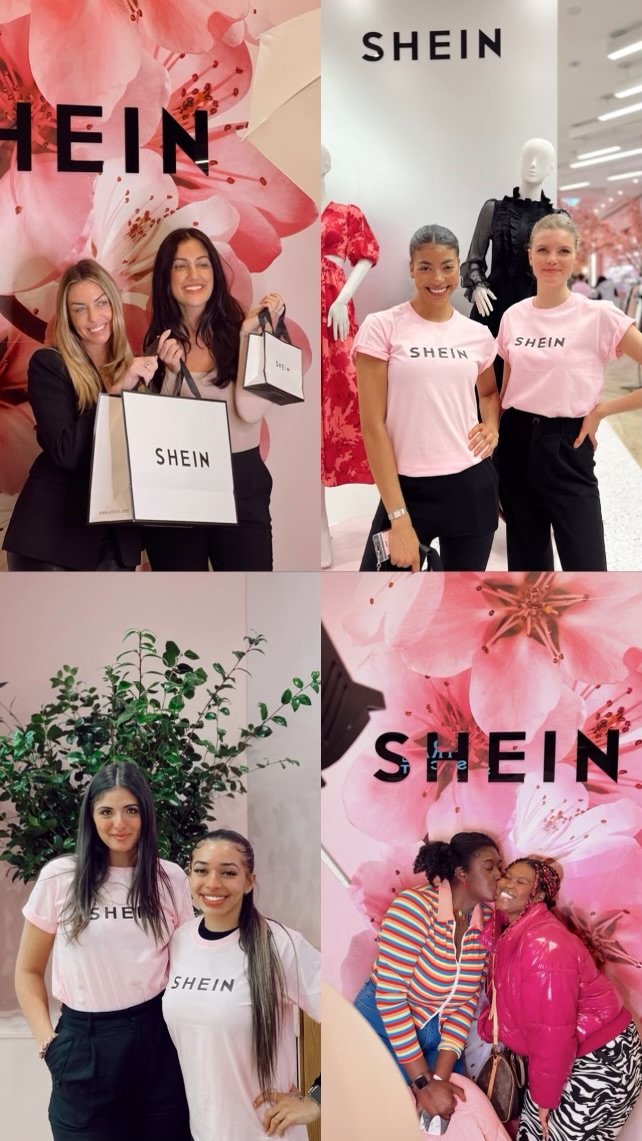
CEIR data shows that 72% of attendees are more likely to buy from exhibitors they meet at trade shows, and 81% of attendees have the authority to make purchasing decisions. The opportunity is real. The question is whether your team is equipped to take it.
Hiring the Right Trade Show Staff
Hiring for trade shows differs from standard recruiting. You need performers, not just employees. Whether sourcing internally or through agencies, the traits that separate booth stars from booth warmers are specific and learnable.
Staff Roles and Ratios
Successful trade show booth staff operate like a well-rehearsed team, each person playing a specific role. Understanding these roles and filling them properly separates amateur exhibitors from professionals who consistently hit their numbers.
Greeter: Your frontline ambassador who initiates conversations and qualifies visitors quickly. Great greeters combine warmth with efficiency, determining within seconds whether someone needs technical depth or just a brochure.
Presenter/Demo Lead: The showperson who runs scheduled demonstrations and captures crowd attention. This role requires presentation skills, product expertise, and the ability to handle unexpected questions without losing flow.
Technical Expert: Your depth player for complex product discussions and integration questions. Often an engineer or product specialist who can speak to specifications and customization options.
Lead Capture Specialist: The detail-oriented team member who ensures every conversation gets properly documented. They manage badge scanners, qualify leads in the system, and make sure nothing falls through.
Floater/Crowd Puller: The high-energy extrovert who works the aisles, inviting qualified prospects to visit your booth. Effective floaters can double booth traffic during slow periods.
For staffing ratios, plan for one active staff member per 10-15 visitors during peak hours. A 10x10 to 10x20 booth needs 2-3 staff per shift. A 20x20 to 30x30 needs 4-6, including a dedicated demo presenter and lead capture specialist. A 40x40 or larger requires 8-12 staff with specialized zones, plus a booth manager coordinating activities.
In-House vs. Agency vs. Hybrid
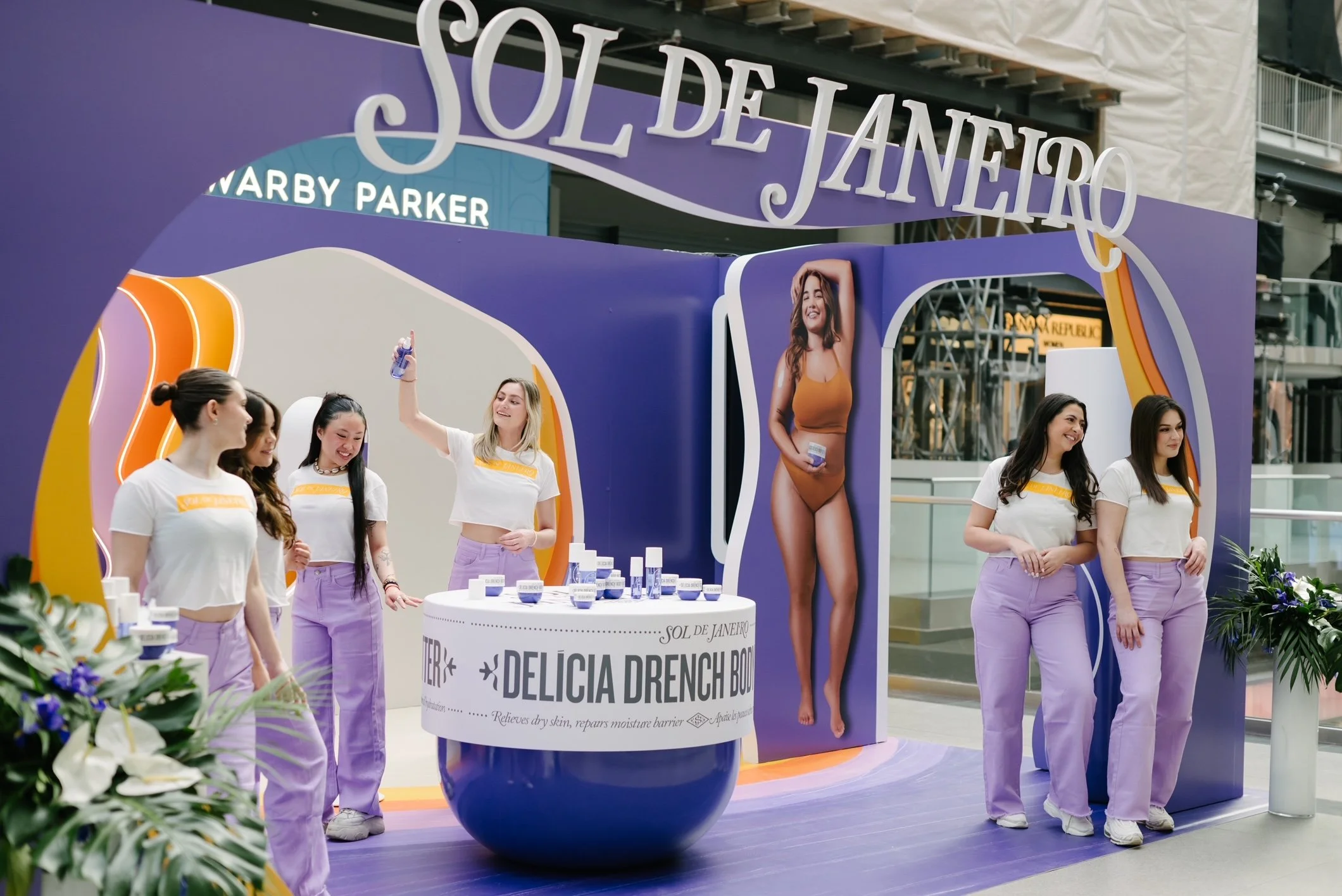
Choosing your staffing source affects cost, training complexity, and quality consistency. In-house staff bring deep product knowledge and cultural alignment but require travel investment and may lack trade show floor experience. Local agency professionals eliminate travel costs and bring proven engagement skills but need thorough product training. A hybrid model, combining a core internal team with local support staff, often delivers the best results for multi-city exhibitors.
Staffing Model
Cost Per Person (3-Day Show)
Best For
In-house (with travel)
$1,600-3,050
Technical products, flagship shows
Local agency
$1,050-1,800
Multi-city tours, consumer products
Hybrid (6-person booth)
$7,400-13,300 total
Most exhibitors running 3+ shows
Budget flexibility drives many decisions, but consider total ROI rather than hourly rates alone. Local event staffing professionals who generate more qualified leads often justify higher hourly costs through better results. Product complexity determines your internal vs. external ratio: highly technical products require more internal experts, while straightforward consumer goods work well with trained agency professionals handling most interactions.
9 Qualities to Look for in Booth Staff
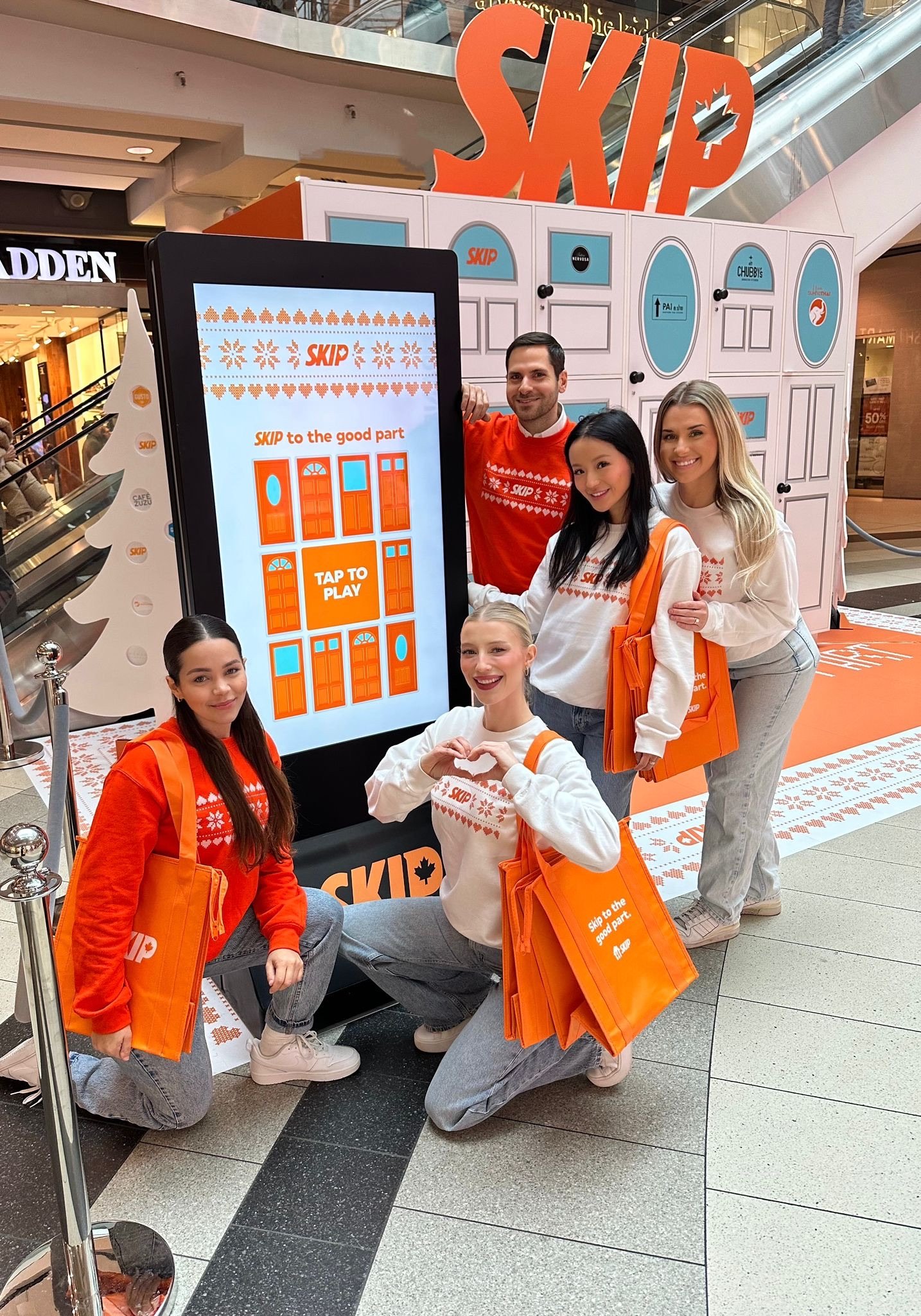
Energy that lasts: Trade shows demand 8-10 hours of "on" time. Look for naturally energetic people who maintain enthusiasm through day three.
Conversation starters: Great booth staff initiate discussions naturally. They read body language and adapt their approach to each visitor.
Quick learners: Learning agility matters more than existing product knowledge. Strong performers absorb training rapidly and apply it immediately.
Professional appearance instincts: Top performers understand they represent your brand through every gesture and expression, not just their attire.
Competitive drive: The best trade show booth staff treat lead generation like a sport. They set personal goals and push to exceed them.
Active listening: Listening well outperforms pitching. Visitors who feel heard are more likely to engage further.
Resilience: Rejection is constant on a trade show floor. Bounce-back ability keeps performance consistent across long days.
Brand alignment: Staff who genuinely connect with what your company does project credibility that rehearsed talking points cannot replicate.
CRM familiarity: Experience with lead capture systems speeds workflow and reduces errors under pressure.
Soft skills typically outweigh hard skills for trade show success. You can teach product features in days, but you cannot instill natural warmth or communication ability. Prioritize emotional intelligence, active listening, and genuine enthusiasm during selection. Balance your team with both skill sets, but lean toward soft skills when forced to choose.
Training Your Team
Training transforms raw talent into booth excellence. Start early, ideally three to four weeks before the show, and build skills systematically. Rushed training produces rushed results.
Begin with company and product foundations. Even experienced staff need refreshers on your latest offerings and competitive positioning. Move to trade show-specific skills: opening lines, qualifying questions, demo flow. Conclude with logistics: booth layout, lead capture systems, daily schedules.
Messaging and Elevator Pitch
Every team member needs three core messages memorized and personalized. The 10-second interest builder hooks passersby. The 30-second qualifier determines fit. The 2-minute value demonstration secures contact information.
Practice these messages until they flow naturally. Record team members delivering each version and review together. Refine language that sounds stiff. Build in pause points for visitor responses. Scripts are starting points, not straitjackets.
Mock Demos and Role-Play
Nothing prepares staff like realistic practice. Set up mock booth scenarios with common visitor types: the skeptic, the competitor spy, the chatty time-waster, the qualified buyer. Rotate team members through each scenario.
Film role-play sessions when possible. Video review reveals habits invisible in the moment, including poor eye contact, distracting gestures, and missed opportunities. Create safe spaces for feedback and improvement before real prospects arrive.
Lead Capture Workflow

Poor lead capture kills trade show ROI faster than almost any other factor. Train every team member on your complete workflow: badge scanning, qualifier questions, note fields, and follow-up categorization.
Standardize note-taking formats. Create abbreviations for common responses. Establish handoff protocols between staff members. Test systems repeatedly until lead capture becomes automatic, allowing staff to focus on conversations rather than technology.
Pre-Show Training Timeline
12 weeks out: Finalize staffing strategy and headcount. Book agency partners or confirm internal team availability. Outline training curriculum. Establish lead scoring criteria and CRM workflows.
4 weeks out: Conduct intensive training including role-play scenarios. Finalize booth schedules with specific assignments. Test all technology including lead capture devices. Create show-specific collateral and demo scripts.
Show week: Hold final prep meeting covering all details. Arrive early for booth walk-through and system checks. Conduct daily huddles, metrics reviews, and debriefs. Monitor energy levels and enforce break schedules.
Engagement Strategies That Work
Static booths produce static results. Movement, interaction, and energy draw crowds, but only when activities align with your objectives. These booth engagement strategies consistently convert foot traffic into qualified pipeline.
Interactive Demos
Live demonstrations remain the gold standard for product engagement. Schedule formal demos every 30-45 minutes, promoted by countdown timers visible from the aisle. Between scheduled presentations, run micro-demos for small groups. Train presenters to involve audiences through questions and hands-on moments.
Create demo stations that invite exploration during non-presentation times. Touchscreens, product samples, and guided interaction tools let visitors self-qualify while waiting for staff attention. Position demos for visibility from aisles: crowds draw crowds.
Gamification and Giveaways
Games work when they reinforce your message rather than distract from it. Design activities that educate while entertaining: a wheel spin that reveals product benefits, a quiz that uncovers pain points, or a challenge that demonstrates your solution's advantages.
Tie prizes to follow-up opportunities. Winners receive premium items during post-show appointments. High scores unlock exclusive content or consultations. This approach filters engaged prospects from swag collectors while building your post-show pipeline.
Social Media Photo Opportunities
Create moments that attendees want to share. Professional photo setups with branded backgrounds, interactive displays that photograph well, and props tied cleverly to your industry all extend your booth's reach beyond the show floor.
Staff should facilitate without pressure. Offer to take photos for visitors. Suggest creative angles. Display a hashtag prominently but do not require its use. Authentic social sharing beats mandated posts for reach and engagement.
Live Micro-Sessions
Transform your booth into a learning hub with 10-minute expert talks addressing specific pain points your product solves. Keep content educational rather than sales-focused. End each session with Q&A to identify serious prospects.
Promote sessions through show apps and aisle ambassadors. Create standing room to accommodate overflow. Record presentations for post-show content. These mini-events position your company as a thought leader while generating warm leads.
Daily On-Site Management
Show floors test endurance. By day two, energy flags and bad habits emerge. Daily management rhythms keep performance high when natural enthusiasm fades.
Start each day with a 15-minute standing meeting before doors open. Review yesterday's numbers and celebrate wins. Share competitive intelligence gathered from floor walks. Assign specific goals and roles for the day ahead. Address problems immediately: if lead quality dropped, adjust qualifying questions; if energy lagged, rotate positions more frequently.
Post lunch-hour numbers reveal the trajectory for the day. Compare leads captured to hourly targets. Make real-time adjustments based on data. Deploy floaters during slow periods. Shift your strongest converters to peak traffic times. Small tweaks prevent end-of-day disappointments.
Conclude with a 20-minute debrief while memories remain fresh. Collect win stories and challenge moments. Review lead numbers by category and staff member. Plan improvements for tomorrow based on today's lessons. End with recognition for exceptional performance: public praise motivates continued excellence.
Budget Scenario Framework
DIY Approach ($2,000-4,000): Rely on existing employees with minimal training investment and basic lead capture tools. Works for small shows with limited objectives but often produces inconsistent results.
Mid-Range Investment ($5,000-12,000): Combine core employees with local professionals. Invest in proper training and basic engagement tools. Implement measurement systems. This balanced approach delivers solid ROI for most exhibitors.
Premium Strategy ($15,000+): Full professional staffing with specialized roles, comprehensive training programs, advanced engagement technologies, and detailed measurement. Premium investment makes sense for flagship shows where maximum impact justifies the cost.
Measuring Success
Measurement starts before activation, with clear objective setting. Awareness campaigns track different metrics than conversion-focused experiences. Define success criteria that ladder up to business goals, not just event metrics.
For awareness objectives: Measure reach (total potential impressions), frequency (average exposures per person), and dwell time (engagement depth). Track both physical attendance and digital amplification. Monitor brand mention sentiment and share of voice shifts.
For consideration building: Count qualified leads, not just badge scans. Measure sample redemption rates. Track content downloads or demo completions. Monitor website traffic from event-driven sources. Survey purchase intent before and after exposure.
For conversion goals: Track immediate sales at events. Monitor unique promo code redemptions. Measure foot traffic to retail partners post-event. Calculate customer acquisition costs versus other channels. Attribute long-term sales through CRM matching.
Post-Show Follow-Up
The show ends, but the real work begins. Industry research consistently shows that leads contacted within 48 hours are approximately 60% more likely to convert than those reached after a week. Speed matters, and so does relevance.
Not all leads deserve equal attention. Develop clear scoring criteria based on buying timeline, budget authority, and need alignment. Train staff to categorize leads during capture, not days later when context fades. Use BANT criteria: Budget, Authority, Need, and Timeline.
Design follow-up messages that reference specific booth conversations. Mention the demo they watched or the question they asked. Include promised resources immediately. Personal touches convert better than generic thank-you blasts. Assign follow-up responsibility before the show ends, and build accountability through tracking dashboards.
Document complete ROI within 90 days. Track leads through your sales funnel. Compare costs per acquired customer across different shows and staffing models. Share results with booth staff when possible: knowing their efforts produced real revenue motivates future performance.
Key Performance Metrics to Track
Qualified leads per hour (target: 3-5 during peak periods)
Lead quality score by staff member
Demo completion rate
Badge scan to qualified lead conversion rate
Follow-up response rate within 48 hours
Pipeline influenced within 90 days of the show
How Magnetic Supplies Trained Booth Professionals
Magnetic transforms ordinary trade show presence into extraordinary brand experiences through meticulously trained booth professionals. Our nationwide network of brand ambassadors brings local market knowledge combined with proven engagement techniques to every activation.
Each Magnetic professional completes our proprietary training program covering crowd dynamics, lead qualification, and product presentation. We match staff to your brand personality and objectives, ensuring authentic representation that resonates with your target audience. Our teams arrive show-ready, eliminating the training burden from your internal staff.
Beyond individual excellence, Magnetic provides complete booth management. Our on-site leads coordinate staff scheduling, monitor performance metrics, and adjust tactics based on real-time results. With coverage in all major convention cities, we eliminate travel costs while delivering consistently superior outcomes.
Our staffing services for your next event.
Frequently Asked Questions
How far in advance should I book staff?
Book professional staff 8-10 weeks before major shows. Popular events and cities book up early. Last-minute requests cost premium rates and limit quality options.
What certifications do professional hosts carry?
Quality agencies train staff in crowd management, lead qualification, and brand representation. Many maintain food handling permits for sampling events and carry liability insurance.
Can I request bilingual staff?
Yes. Specify language needs during booking. Spanish speakers are readily available in most markets. Other languages require more advance notice but significantly expand your reach.
How is staff performance measured?
Track leads captured, quality scores, booth traffic, and visitor engagement time. Professional agencies provide daily reports with improvement recommendations.
What if a rep cancels at the last minute?
Reputable agencies maintain backup rosters and guarantee replacements. Include contingency planning in your contracts.
Do I need insurance for temporary staff?
Agency staff come covered under their employer's insurance. Verify coverage limits and additional insured status in contracts.
How many breaks should staff get?
Schedule 15-minute breaks every two hours plus a 30-minute meal break. Stagger timing to maintain booth coverage. Fresh staff perform better than exhausted ones.
How soon should follow-up start?
Within 24-48 hours maximum. Schedule immediate post-show time for hot lead outreach. Delayed follow-up dramatically reduces conversion rates.
Can experiential work for B2B industries?
Yes. Interactive demos at trade shows and executive-level VIP events drive high-value pipelines. B2B experiential often generates strong ROI due to higher transaction values. Focus on education, networking facilitation, and problem-solving over pure entertainment.
Conclusion
Your booth is only as good as the team inside it. The exhibitors who consistently generate qualified pipeline from trade shows share a common approach: they hire for communication skills, train well in advance, deploy structured booth engagement strategies, and follow up before the competition does.
With 85% of booth success tied to staff performance and up to 80% of leads going unfollowed, the gap between average and excellent exhibitors is largely an execution gap. Close it with the right people, the right preparation, and a follow-up system built before the show opens.
Contact us to learn more about our staffing services for your next event and put a proven team on your floor.